Get Full Government Meeting Transcripts, Videos, & Alerts Forever!
Get email alerts on the Fire Department Code Updates topic
No spam. Unsubscribe anytime.
Council reviews fire-department code edits; debate centers on fire inspector role and inspections
Summary
Council reviewed proposed code edits to the fire department chapters April 1, focusing on removing a mandatory fire-inspector appointment and clarifying inspection triggers.
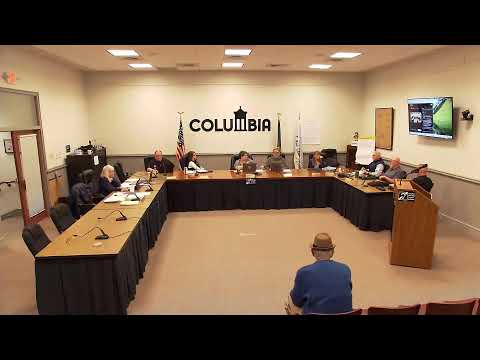
Council members spent a portion of the April 1 workshop reviewing proposed updates to the borough code sections that govern the fire department and related inspection duties.
Staff described a set of largely technical edits to Chapter 24 (Fire Department) that would remove a standing reference to a —safety committee— and change the phrase from "chair" to "lead" where that wording better reflects practice. Council supported using "lead" instead of "chair" to avoid implying a separate appointment process.
The discussion became more detailed when the conversation shifted to Chapter 27's language creating a fire-inspector position. Current draft language required a council appointment and for council to fix compensation by resolution. Several council members and staff argued the borough now performs inspection duties in-house or by contractor and that the ordinance should not mandate a separate, appointment-and-compensation process that creates an extra reorganization requirement.
Kelly (borough staff) recommended removing the appointment-and-compensation language while retaining a clear statement of duties and reporting lines so that inspections could be done in-house or by contract without adding a required appointment at the reorganization meeting. "I think we should put chair. Lead. Or I'm sorry. Lead," one councilmember said while discussing the simple wording change. Council directed staff to: 1) remove the mandatory appointment/compensation language and 2) retain and clarify the inspector's duties and the reporting relationship to the public-safety lead and borough manager.
Council also discussed fire safety inspection frequency and triggers. The draft continues to state that fire safety inspections are conducted on a biannual (every-other-year) basis, but council asked staff to add explicit language requiring an inspection after a change of use or when permits trigger inspections under the Uniform Construction Code. Council members agreed to add a provision requiring inspections on a change in occupancy or change of use that could alter capacity or fire-suppression needs.
On fees and contracting: staff said the borough currently passes inspection fees through to a contracted inspector when used; if the borough contracts outside services staff would propose matching the fee schedule and returning to council to update fees as necessary. Council agreed to remove specific fee numbers from the ordinance text and reference the borough's fee schedule instead so fees can be updated without ordinance amendments.
No ordinance votes were taken at the workshop. Council instructed staff to return a redlined draft that removes mandatory appointment/compensation language, clarifies duties and reporting lines and adds an inspection trigger for changes of use and permitting.