Get Full Government Meeting Transcripts, Videos, & Alerts Forever!
Get email alerts on the Policy Review topic
No spam. Unsubscribe anytime.
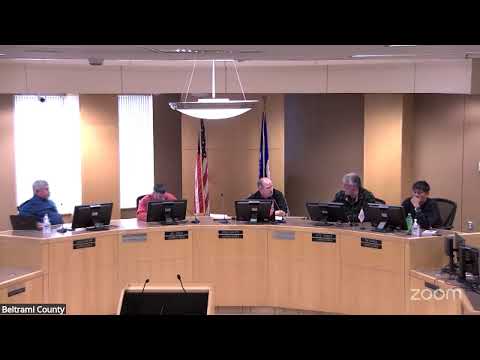
Commissioners debate policy-review committee; consensus favors on-demand review over standing panel
Summary
A proposed county policy-review committee prompted discussion about scope, staff time and cost; commissioners and the county attorney urged an as-needed approach rather than a permanent committee, with several suggesting ad hoc review teams or department-led updates instead.
Commissioner Gould proposed creating a five-member policy-review committee to systematically compile, review and revise county policies (excluding sheriff’s office and employee-handbook personnel policies). The stated goal was to produce a comprehensive, searchable county policy handbook within about a year.
Supporters said a central policy repository would help commissioners and staff locate governance and operational policies without searching past minutes. Commissioner Sumner said it would formalize policy-setting and preserve institutional memory. Commissioner Gould described the committee’s scope as reviewing county business and operational policies and compiling a user-friendly resource.
Several commissioners and the county attorney expressed concerns about creating a standing committee. Commissioner Winger and County Attorney David cautioned that comprehensive policy reviews are time-intensive and can require legal and contract analysis, state- and federal-law crosschecks, and paid staff time to manage a centralized system. Diane (executive assistant) and Administrator Barry suggested using the draft scope as a framework for addressing policy issues on an as-needed basis rather than establishing a permanent committee. Several commissioners preferred ad hoc review teams that include the relevant department heads and subject-matter staff when a specific policy needs attention.
County Attorney David emphasized that if the county centralizes policies and contracts, it should do so properly and budget for staff to manage the system. The board did not direct creation of a permanent committee; discussion concluded with broad support for using the proposed framework to coordinate targeted policy work when issues arise and for handling policy requests through work-session agendas and temporary review panels.