Lifetime Citizen Portal Access — AI Briefings, Alerts & Unlimited Follows
Montana committee hears hours of testimony on bill to shield pregnancy centers from compelled speech and local regulation
Loading...
Summary
Lawmakers heard hours of pro- and con- testimony on House Bill 388, which would protect pregnancy centers from government requirements that contradict their mission; proponents described medical services and accreditation, while opponents warned the measure would limit oversight and patient protections such as privacy and medical standards.
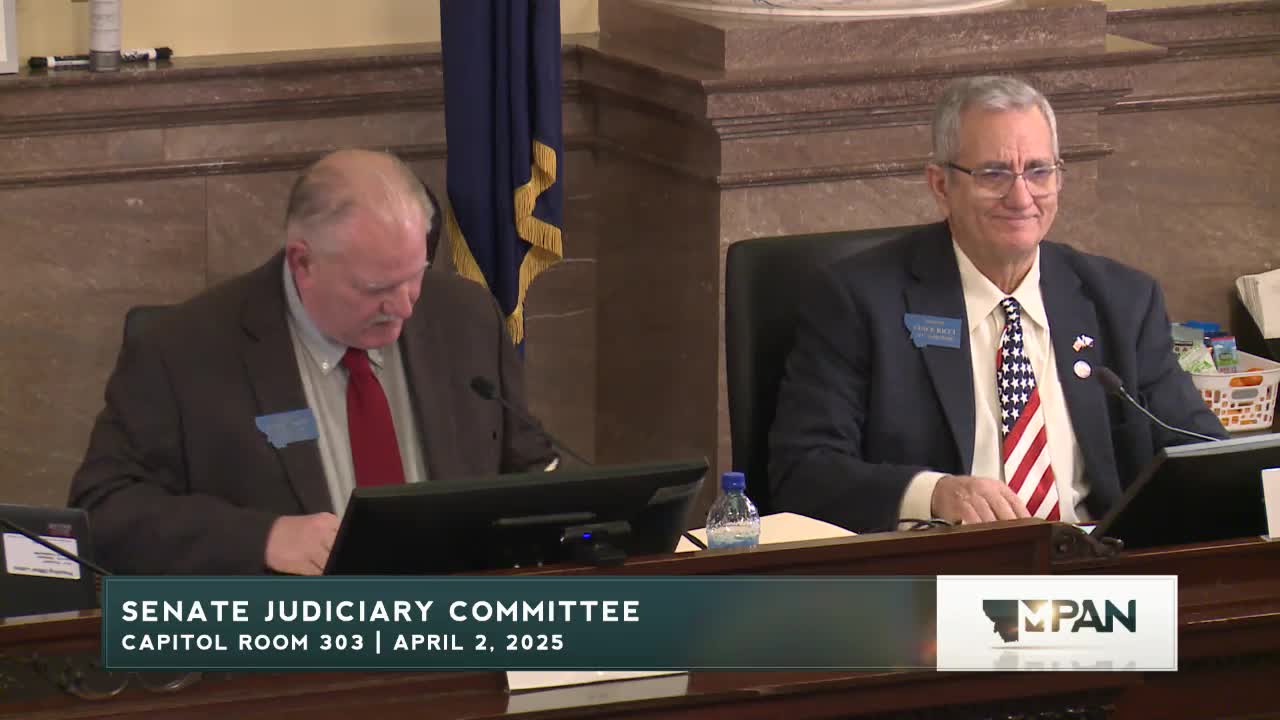
House lawmakers and dozens of witnesses debated House Bill 388 for more than two hours in Senate Judiciary, with supporters urging the committee to protect pregnancy centers’ religious and speech rights and opponents warning the bill would reduce medical oversight and patient protections.
Sponsor Amy Regier, R-Flathead Valley, opened the hearing by saying House Bill 388 "affirms the constitutional rights of pregnancy centers to function according to their purpose and protect them from any government laws or regulation that would be counter to their purpose." She told the committee the bill’s definitions and remedies would prevent government compulsion: "Pregnancy centers should not be forced by government to promote a message with which they disagree."
Proponents described pregnancy centers as medical and social-service providers that offer free pregnancy tests, ultrasounds, parenting education, baby supplies and case management. Derek A. Striecher, identified in testimony as legal counsel for the Montana Family Foundation, said the centers "do not provide or refer for abortion services" and said government attempts to require referrals would violate First Amendment rights. Tracy Uhlery, CEO of Options Clinic in Helena, described clinic staffing and protocols and said the clinics operate under licensed medical directors and follow HIPAA and other professional standards.
Opponents, led by Quinn Leighton of Planned Parenthood Advocates of Montana, argued the bill would bar local and state regulators from intervening where clinics provide medical information without appropriate oversight. "Unregulated pregnancy centers could tell a patient anything, whether it's true or not," Leighton said, warning the bill would "tie the hands of this full legislative body and any local government agency or entity to regulate patients or how patients receive care." LegalVoice attorney Robin Turner and representatives of medical, student and advocacy groups echoed concerns about deceptive practices, lack of HIPAA protections and the risk of private medical information being disclosed.
Several registered clinicians testified in favor of the bill and described clinical policies, accreditation and standards at their centers. Michelle Reimer, executive director of Clear Choice Clinic in Kalispell, said some Montana pregnancy clinics voluntarily pursue accreditation through the Accreditation Association for Ambulatory Health Care and that clinics are staffed by licensed professionals under a medical director. In opposition, Dr. Melissa Chen, an obstetrician–gynecologist who co-authored a study on so‑called medication abortion reversal, described clinical risks associated with that unproven practice and urged the committee to be cautious about statutes that would limit review or accountability.
Why it matters: Supporters view HB 388 as a free-speech and conscience protection for organizations providing pregnancy-related services; opponents say the bill could remove consumer and patient safeguards, including privacy and medical oversight, and could permit dissemination of medically inaccurate information. Lawmakers pressed witnesses on licensing, accreditation, HIPAA applicability and documented incidents where clinics have been the subject of complaints in other states. Proponents said roughly 15 pregnancy centers operate in Montana and that those centers distribute significant in-kind support to families; opponents cited professional organizations’ critiques and urged stronger regulatory tools for the state and local governments.
The hearing produced extensive testimony both for and against the bill but no committee vote was taken during the session. The record included written testimony and offered citations (some by witnesses) to court decisions such as NIFLA v. Becerra and federal privacy law (HIPAA) as background to the competing legal arguments.
Ending: The committee moved on to other bills after closing the HB 388 hearing; members asked staff and counsel to follow up on questions about accreditation, HIPAA coverage and the prevalence of uncompensated services across Montana clinics.