Get Full Government Meeting Transcripts, Videos, & Alerts Forever!
Get email alerts on the Health Insurance topic
No spam. Unsubscribe anytime.
Committee hears competing views on LD 10 58 after legislator’s denied dental claim
Summary
Representative Greenwood sponsored LD 10 58 to prohibit coordination‑of‑benefits denials in dental claims when a patient holds multiple dental policies; insurers warned the change could cause duplicate payments and higher premiums, while the Bureau of Insurance urged a complaint be filed so regulators can vet the specific case.
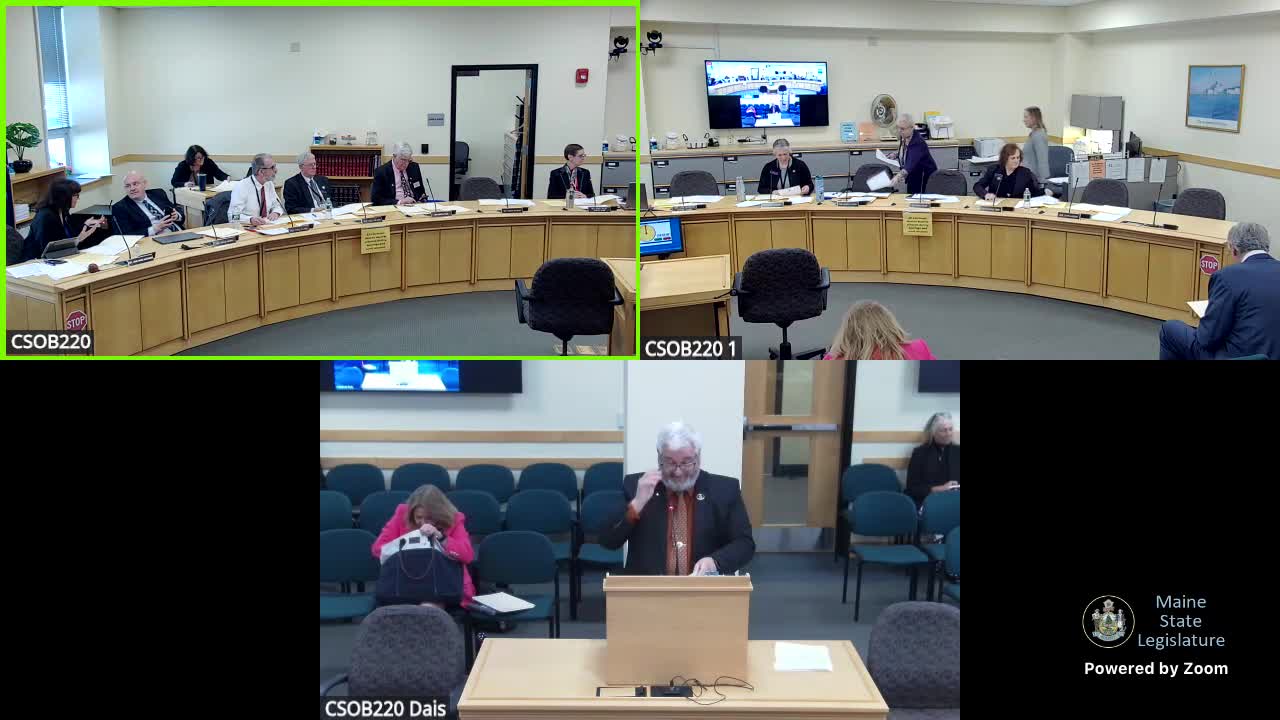
Representative Randy Greenwood presented LD 10 58 to the committee, asking the Legislature to bar coordination‑of‑benefits denials for dental services when a person is covered by more than one policy. Greenwood told the committee he had experienced what he described as an opaque claim denial in which a $371 specialist claim yielded $162 paid by the primary insurer, a $62 write‑off and $147 balance left to him because the secondary insurer (Delta Dental) applied a coordination‑of‑benefits rule that resulted in no payment.
Northeast Delta Dental and Anthem Blue Cross and Blue Shield opposed the bill. Chris O’Neil of Northeast Delta Dental said coordination‑of‑benefits rules are contractually specified, exist to avoid duplicate payments, and reflect negotiated allowable amounts; eliminating coordination would risk overpayments to providers and could increase premiums. Anthem’s government‑relations director gave a concrete example of how a secondary plan may not pay when its negotiated reimbursement rate is lower than the primary payer’s reimbursement amount, and warned the bill as drafted could inadvertently affect pediatric dental benefits and Medicare/Medicaid coordination.
Bureau of Insurance staff asked the sponsor to have the individual file a complaint so regulators could review the claim, because the bureau had not received complaints that matched the anecdote. The bureau noted coordination‑of‑benefits language varies by contract, that coordination typically has the second carrier pay no more than what remains after the first carrier pays, and that self‑funded plans and federal programs (Medicare) operate under different rules and were not directly affected by this insurance-code bill.
Ending: Testimony left open factual questions about the sponsor’s case; insurers argued the bill could create duplicate payments and premium impacts, and regulators asked for a complaint to vet the example before drafting any statutory change.