Get Full Government Meeting Transcripts, Videos, & Alerts Forever!
Get email alerts on the 5g Health Environment topic
No spam. Unsubscribe anytime.
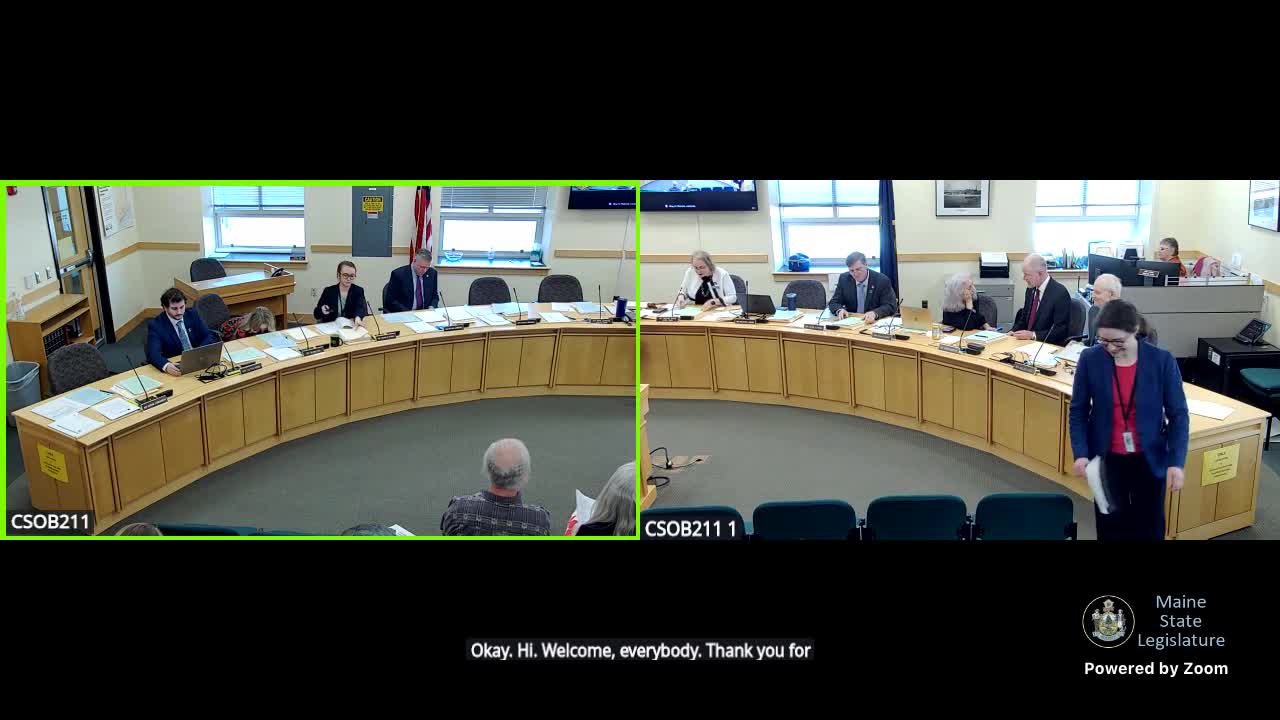
Committee debates study of 5G and RF effects on wildlife and children; bipartisan concerns about timing and methodology leave measure unresolved
Summary
LD 878 would create an independent commission to study effects of 5G and other non‑ionizing radiofrequency (RF) radiation on wildlife and children. Experts and lawmakers disagreed over study scope, speed and methodology. A motion to advance the bill resulted in a 5‑5 tie and the measure remained unresolved in committee.
Sponsor Representative Tracy Quint asked the Energy, Utilities and Technology Committee to create an independent commission to review scientific literature on the effects of 5G and other non‑ionizing radiofrequency (RF) technologies on birds, bees, insects, other wildlife and on long‑term and acute RF exposure in children (LD 878). The resolve would have directed the commission to report to the EUT and Education and Cultural Affairs committees by December 3, 2025.
Witnesses and committee members pressed on two core issues: (1) whether a short study window would allow a credible, methodical synthesis of the scientific literature and (2) how to avoid biased or selective use of research. Andrew Thatcher, a radio‑frequency specialist who previously served as an RF expert for the Washington State Department of Health and at times consults for industry (he appeared via remote link representing CTIA), said that high‑quality expert reviews take many months to more than a year and that the New Hampshire commission report he reviewed appeared to selectively cite studies to reach a preferred outcome. Thatcher urged caution about a short timeline and about appointing a small panel lacking the breadth and expertise needed to produce an authoritative literature review.
Committee members raised practical drafting issues: because LD 878 is not an emergency measure, the resolve would not take effect until mid‑September; with a December 3 report deadline, the effective window for any commission created by this legislation would be extremely short. Several members, including Representative Warren and Senator Harrington, asked whether the sponsor would be willing to extend the timetable. Representative Quint said she was amenable to a longer timeline and suggested the committee could allow the study to span into the next legislative interim or even across two interims if necessary to secure a more robust, less rushed review.
Opponents of moving the bill forward expressed concerns about procedural fairness and politicization. Senator Harrington said the study as originally drafted would create a politically composed commission to examine a technical scientific question and said that, if members were uncomfortable with the selection process, the report’s credibility could suffer.
The committee considered a motion to report the bill “ought to pass as amended.” The motion was made and the chair called a roll call; the tally on that motion was five in favor and five opposed, producing a tie. Because committee membership meant the vote was evenly split, the motion was left suspended and the measure was not advanced during the session. Committee members asked for additional information and for time to consider either extending the study deadline or revising the commission’s membership and review process before taking further action.
Ending: Sponsor Representative Quint said she preferred a thorough, nonpartisan study and was willing to work with committee staff to lengthen the timeline so that a credible expert review could be performed and reviewed publicly. The committee recorded concerns about study timing, the scope of literature to be reviewed, and the danger of a narrowly constituted panel reaching an outcome that would be widely perceived as political.