Get Full Government Meeting Transcripts, Videos, & Alerts Forever!
Get email alerts on the Child Welfare topic
No spam. Unsubscribe anytime.
Appeals panel reviews DCF finding of educational and emotional neglect, license decertification
Summary
The Appeals Court heard argument in Dealey v. Department of Children and Families over whether DCF’s determinations that a seven‑year‑old was educationally and emotionally neglected—and its decision to remove foster children and decertify the appellants’ license—rested on substantial evidence and proper procedure.
The Massachusetts Appeals Court heard argument in Dealey v. Department of Children and Families (Docket 24P1055) over whether DCF’s findings that a seven‑year‑old was educationally and emotionally neglected—and the agency’s subsequent removal of foster children and decertification of the foster license—were supported by substantial evidence and complied with the agency’s procedures.
Appellants’ counsel Myrene Booker told the panel that the administrative record did not contain the factual basis to find educational neglect: the child’s alleged inability to count past 29 was not linked in the record to any baseline showing what a seven‑year‑old must be able to do, and the appellants submitted a letter of intent, sample writing, audio of the child reading and other materials that a court should weigh. Booker asked the court to overturn the agency decision and the license revocation and to order removal of any lingering stigma in DCF records.
Counsel for DCF (Carol Fasoli) replied that the agency’s investigation, which began after a therapist’s concerns and a 51A referral, produced evidence that the child struggled with reading and attention, that the superintendent had flagged the curriculum as inappropriate for the child’s age and that the foster license was already probationary. DCF argued the fair hearing officer’s findings were supported by substantial evidence and that the Superior Court correctly declined to order re-placement of foster children where state licensing rules require licensure for foster care placements.
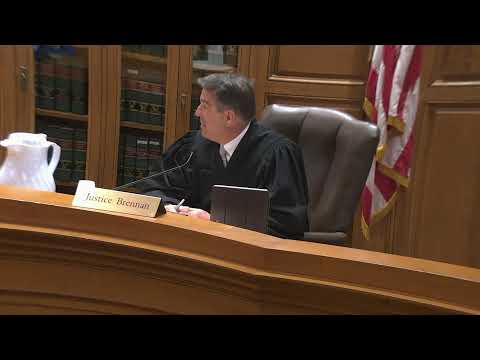
The panel questioned the parties about record locations for handwriting samples (Exhibit 14, RA309 was identified at argument) and whether the appeal raised mootness concerns about returning foster children if a license reversal were later ordered. Appellants pressed for relief to remove the administrative finding and to address what they described as procedural shortcomings at the fair hearing, including a disputed curtailment of cross‑examination of a witness.
Why it matters: administrative appeals about child-welfare findings raise both substantive questions (what constitutes educational neglect under DCF practice) and procedural ones (what due process applies at fair hearings and whether agency procedures were followed). The panel took the matter under advisement after argument.