Get Full Government Meeting Transcripts, Videos, & Alerts Forever!
Get email alerts on the Criminal Appeals topic
No spam. Unsubscribe anytime.
Defense challenges identification and undisclosed recording in drug-sale conviction appeal
Summary
Commonwealth v. Jonas (Docket 24P1197) raised arguments that a mistaken hat description, a trooper’s disputed recording practices and other investigative gaps undermined identification and that newly discovered audio and related findings in a separate matter warranted reconsideration of a denied new-trial motion.
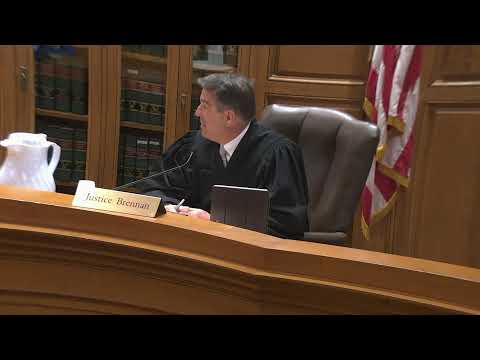
The Appeals Court heard argument in Commonwealth v. Jonas concerning whether newly discovered audio and questions about an undercover trooper’s recording practices should have supported a new trial. Defendant Mike Jonas sought a new trial after being convicted of possession with intent to distribute; defense counsel argued the police misidentified the seller and that an audio recording—produced after trial and the subject of litigation in another matter—would have materially undercut the trooper’s testimony.
Defense attorney Philip Weber emphasized discrepancies in the surveillance record, focusing on an instance where the undercover trooper initially referred to a “Celtics” hat and later described a “Lakers” hat, and the fact that officers briefly lost sight of the suspect. Weber argued those timing and identification issues were central to a sloppiness-of-investigation defense and that the post-trial discovery of audio and related findings in a separate case (the transcript references Judge Locanto’s findings in another proceeding) warranted an evidentiary hearing and possibly a new trial.
Commonwealth counsel Karen Palumbo told the panel multiple officers observed the transaction, the defendant was arrested with packages of crack and a large sum of money, and the motion judge correctly found the late-produced audio would not have been dispositive. She also emphasized the existing multi-agency surveillance and that the trial record contained additional corroborating observations and physical evidence.
The panel questioned whether the recording’s existence and a separate judge’s findings about the trooper’s knowledge of the recording could be imported into this record without an evidentiary hearing. The matter was submitted after argument; no ruling was announced at the conclusion of the session.
Why it matters: claims that investigatory recordings or post-trial discovery materially affect witness credibility and identification are recurring in criminal appeals, and the court’s disposition may affect requests for evidentiary hearings and standards for newly discovered evidence.