Get Full Government Meeting Transcripts, Videos, & Alerts Forever!
Get email alerts on the Public Comment Nonpartisan Stem topic
No spam. Unsubscribe anytime.
Parents and teachers urge board to keep politics out of schools and expand early STEM
Summary
Multiple public speakers during the Anderson 5 public‑comment period urged trustees to adopt a nonpartisan board policy and to prioritize STEM instruction in elementary grades, citing classroom experience and community concerns about politicization.
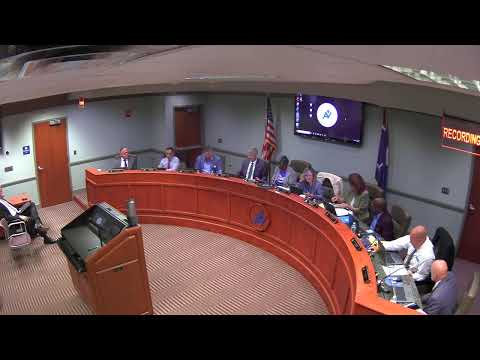
At the start of the meeting several residents used the public‑comment period to press the Anderson County School District 5 board to adopt a nonpartisan conduct policy and to expand elementary STEM instruction.
Cynthia Windsor, a STEM teacher at Nemeth Forest Elementary, told trustees she has worked in school cafeterias and later earned degrees in elementary and early childhood education. “By investing in STEM at the elementary level through hands on learning, critical thinking, and problem solving, we give students the foundation to not only survive, but thrive in a fast changing world,” Windsor said. She urged the board to “make STEM a priority in all of our schools.”
Several speakers, including Frank Cobb and Andrew Cannon, said they support a board policy that would keep partisan politics out of school matters. Cobb criticized recent school report‑card presentations and urged stronger accountability from trustees. Jennifer (Jenny) Pray, a parent and former Anderson 5 teacher, thanked the superintendent and staff, called for unity and said a nonpartisan policy “would be a gesture of goodwill and transparency” and she asked the board to consider placing such a proposal on a future agenda.
Why it matters: multiple speakers framed the policy conversation as a way to focus board attention on students rather than party politics. Trustees said they heard the request and discussed adding a nonpartisan policy to a future agenda item for consideration.
What trustees said: Chair remarks and subsequent board discussion acknowledged the request. Board members also described options for how committees meet so all trustees can participate in budget and policy discussions and suggested the superintendent work with trustees to schedule a committee format that allows wider member input.
Next steps: trustees said they will consider the nonpartisan policy language that has circulated and will either place a draft on a future agenda or bring options back to the board; no formal policy action was taken at this meeting.