Get Full Government Meeting Transcripts, Videos, & Alerts Forever!
Get email alerts on the District Budget And Finance topic
No spam. Unsubscribe anytime.
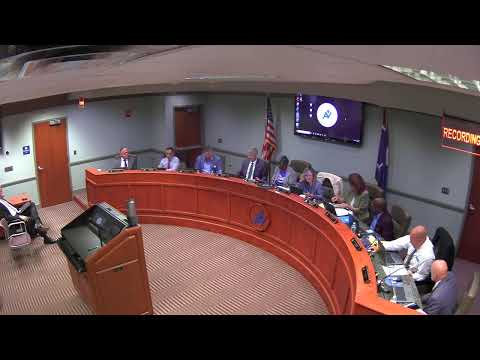
Anderson 5 finance staff outlines budget pressures, payroll and classroom spending plans
Summary
Anderson County School District 5 finance staff reported a roughly $1.6 million year‑to‑date drop in the district fund balance and outlined compensation, staffing and revenue uncertainties as the board prepares the 2025–26 budget.
Anderson County School District 5 finance staff told the school board that revenues are coming in but the district faces multiple uncertainties tied to state and federal budgets as it prepares the 2025–26 spending plan.
Amy Hurd, who presented the monthly financial packet, said the district’s current year fund balance is “about a million $1,600,000 less at this time this year than we were last year.” She reported $44,000,000 in property‑tax receipts year‑to‑date and said investment income and some state revenues are lower than a year ago. Hurd noted the district is still reconciling ESSER grant spending (the federal Elementary and Secondary School Emergency Relief program) and that ESSER closed to new obligations on Sept. 30 and to final claims on Dec. 31.
Hurd told trustees an unexpectedly large “fee‑in‑lieu” payment arrived after two local manufacturers reported new equipment to the state department of revenue; the county treasurer is checking whether that payment is a one‑time boost or likely to continue, and Hurd said the treasurer estimated a possible 10% depreciation of that payment if recurring.
Why it matters: the presentation framed a budget season constrained by uncertainty in Columbia and Washington. Hurd said the board must adopt a preliminary budget on the county schedule before the state finalizes its numbers, so trustees will be working with best available estimates until the state budget process finishes.
Key proposed compensation and staffing items
- State‑mandated items: Hurd said the state requires a teacher step increase that will cost the district $708,950 under current calculations and that bus‑driver pay increases are governed by the state scale. She said the state’s House Ways and Means proposal removes the bachelor’s‑plus‑18 category from the state funding schedule and that Anderson 5 intends to “freeze” that scale for employees already on it rather than placing new hires on that rung starting July 1, 2025.
- Starting salary: Hurd said the governor and the state superintendent have proposed a $50,000 starting teacher salary but that House Ways and Means funded a $1,500 increase per step; Hurd said Anderson 5 already starts teachers at $50,000 and will use the House numbers for preliminary modeling.
- Employee benefits: Hurd said the state indicates an employee health‑insurance premium increase of $36.76 per month (about $441 annually) on the standard plan; she said the district is still confirming whether the employer share of retirement or other employer costs will change.
- District requests: Hurd listed recommended additions to the 2025–26 budget including a multilingual translator, converting a part‑time office position to full time at Robert Anderson High, 25 additional teaching assistants, and continued funding for mentor and safety programs. She said the board previously budgeted to move 17 teaching assistants from ESSER funding into the general fund based on results at targeted elementary schools.
Federal and state funding context
Dr. Kelly, the superintendent, joined parts of the finance discussion and described what the district is hearing from state education officials. She said House and Senate budget calendars will continue into April and possibly June, and that the district must proceed with planning even while the legislative process moves on. Dr. Kelly and Hurd both said the district receives roughly $3.2 million in Title I funds and about $3 million from IDEA (special education) in typical federal allocations; combined federal funding for the district was described as “about $15,000,000” in round terms during discussion.
Other points raised by trustees and staff
- Sales tax: Hurd showed December sales‑tax collections of $1.5 million (the highest monthly total the district has seen) and said the board previously set aside sales‑tax receipts to cover future bond payments. She noted that the local sales tax measure will stop collecting at a date described in the presentation and that the set‑aside will be used for bond obligations after collections cease.
- Maintenance of effort and special education: Hurd said the district’s general fund carries about $11 million for special education costs required by maintenance‑of‑effort rules on top of federal IDEA funding.
- Calendar and grants: staff reminded the board that ESSER deadlines have passed and that any continuation of programs previously paid by ESSER will require general‑fund or alternate funding.
What the board directed or decided
At the meeting the board did not adopt a final 2025–26 budget; trustees asked staff to continue modeling options and to return updated numbers at subsequent meetings. Hurd said she will provide a first‑reading budget for the county board by the district’s May deadline and will update trustees monthly as state numbers change.
Details trustees asked staff to clarify
Trustees asked for follow‑up on the fee‑in‑lieu payment, the estimate for insurance and workers’‑comp costs, and a firm calculation of the cost of a non‑teacher step increase if the board elects one. Hurd said principal‑salary adjustments will be discussed in executive session before the board returns to public session.
The next steps
Hurd will update the board at the next regular meeting with revised revenue estimates after the state senate process and will provide more granular cost estimates for the board’s compensation options and staffing requests.