Get Full Government Meeting Transcripts, Videos, & Alerts Forever!
Get email alerts on the Volunteer Programs topic
No spam. Unsubscribe anytime.
Council reviews ‘My Hometown’ agreement with church; staff and council weigh volunteer background checks and liability
Summary
Santaquin councilors and staff discussed a proposed agreement with the Church of Jesus Christ of Latter-day Saints to run a 'My Hometown' volunteer program. Staff described donor-run activities vs. city events, background-check obligations, and liability and recommended careful, phased adoption.
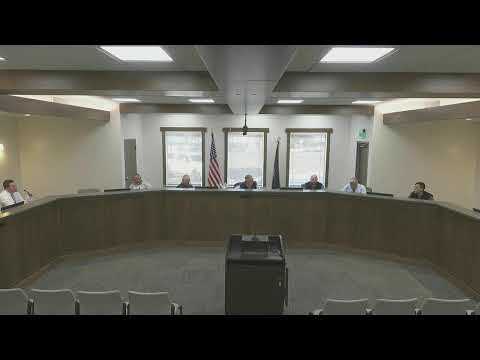
Santaquin — City staff and councilors spent extensive time on April 1 discussing a proposed 'My Hometown' agreement between Santaquin and the Church of Jesus Christ of Latter-day Saints, focusing on volunteer background checks, liability and whether the city should accept large-scale donor-led volunteer projects.
What the agreement is: staff explained the contract divides activity into two categories. Donor events (classes such as ESL, sewing, piano, held in church buildings) would be run and insured by the donor. City events (examples given: yard cleanups, tree trimming, fence repairs, small roofing or sandbagging-style neighbor-help projects) would be organized as city activities and therefore could implicate city liability and require some city oversight.
Background checks and liability: Council members raised concerns about the cost and practicality of background checks — one member cited national youth-abuse scandals as context for caution. City staff said recent state rules require churches to do background checks for volunteers working with children in some circumstances; staff also said the drafted agreement allows the donor to withhold volunteer names in some cases, complicating the city’s ability to run background checks before city events. Staff said the city’s liability insurance (the trust) viewed most My Hometown volunteers as similar to other volunteer programs, but recommended safeguards: training, safety equipment and limitations on activities requiring specialized skills or heavy equipment.
Who runs leadership roles: staff described that because the agreement is between the city and the Church of Jesus Christ of Latter-day Saints, the church expects to select some higher-level leaders for donor activities. Staff said the church would likely vet those leaders internally; the city’s risk managers preferred that the church choose people they trust to represent the donor organization.
Why it matters: staff said the program could deliver substantial volunteer hours the city otherwise could not produce and help with beautification and grant metrics. Councilors noted examples where large volunteer efforts helped city projects (sandbagging, mountain-bike park construction) and some council members favored moving forward with careful limits.
Next steps: staff recommended visiting another city that runs a similar program (Provo; contact named Tara Riddle) to see local practices, and to phase implementation so city events are limited initially. Council discussion did not conclude with a final approval or formal vote during the work session; staff said they will continue to refine contract language and liability protections.