Get Full Government Meeting Transcripts, Videos, & Alerts Forever!
Get email alerts on the Local Regulation Health And Safety topic
No spam. Unsubscribe anytime.
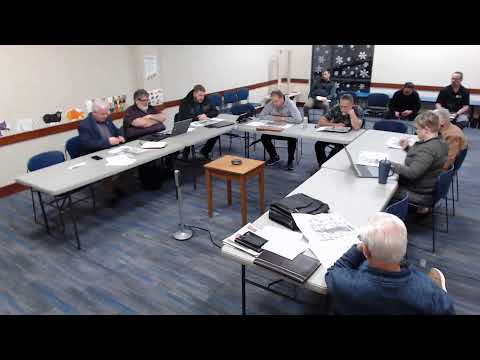
Council discusses removing local massage-establishment licensing, staff to return with draft amendments
Summary
City staff and councilmembers debated proposed amendments to Two Rivers’ massage-establishment rules, including dropping a local licensing requirement that duplicates state licensing. Council asked staff to return with draft ordinance language and to clarify enforcement procedures and inspection authority.
Two Rivers city staff on March 31 introduced proposed changes to local rules governing massage establishments and practitioners, recommending that the city drop its local licensing requirement for massage businesses and technicians because Wisconsin already requires state licensure for massage therapists.
City staff said there is little or no record of the city issuing local massage licenses and that the state already requires a license for massage therapists and body workers. Staff proposed removing the city’s local license categories for “massage technician” and “manager,” while retaining or revising nuisance and criminal-prohibition sections that address illegal activity sometimes associated with “massage parlor” operations.
Council and staff discussion focused on enforcement and public-safety concerns. Councilmembers and the chief of police (unnamed in the transcript) said criminal activity such as prostitution would remain subject to criminal prosecution and that removing the local license should not prevent city enforcement when public-safety issues arise. Questions were raised about whether public-health inspections would be handled by the county health department and whether the city should keep a complaint-driven authority to investigate potential violations.
Several councilmembers said they did not recall the city ever actively licensing massage establishments and argued licensing requirements could be a regulatory burden on small businesses. Others asked staff to preserve some local authority — for example, the ability to inspect or otherwise act quickly on credible complaints — so the city would not have to rely solely on state action, which could be slow.
City attorney Sean Griffin and staff indicated they would research state delegation of public-health inspection authority (whether county health inspects such businesses) and return with specific draft ordinance language at a future meeting. Council directed staff to bring the item back for further consideration with proposed amendments that clarify: what local licensing (if any) will remain; how the city will respond to complaints; whether inspections will be complaint-driven; and the relationship to state licensing and county public-health inspection authority.
No final ordinance change was adopted at the March 31 meeting.