Get Full Government Meeting Transcripts, Videos, & Alerts Forever!
Get email alerts on the Public Safety topic
No spam. Unsubscribe anytime.
Snyte Valley Fire Protection District outlines upcoming levy question, cites staffing and call-volume pressures
Summary
Snyte Valley Fire Protection District Chief Barnett presented a community overview of a proposed operating levy increase that would restore the district's operating levy toward a previously approved 2018 level to address rising costs, staffing pressures and increasing call volumes.
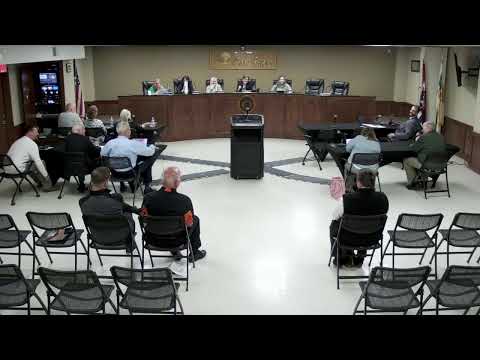
Chief Barnett of the Snyte Valley Fire Protection District told the Oak Grove Board of Alderwomen on March 18 that the district will ask voters in April to restore part of an operating levy that has declined through state rollback rules.
The district seeks a 16¢ increase to return the levy to the dollar-two ($1.02) rate voters approved in February 2018 after rollbacks reduced the current operating levy to about 86¢. Barnett said the requested increase would be phased to restore the district to that earlier approved level and would not raise the levy above the originally approved rate.
Why it matters: The chief said the district’s operating costs have risen roughly 30% since 2020 and personnel costs have risen about 29% in the same period. Call volume increased to 2,724 calls in 2024, and concurrent (overlapping) calls have risen to roughly 37% of incidents, creating times when district resources must rely on mutual aid. Barnett said minimum daily operations staff currently is seven; restoring levy revenue would allow modest staffing increases and help the district remain competitive with neighboring employers for trained personnel.
Details presented by the chief included these figures cited to the board: the district ran roughly 2,724 calls for service in 2024; overall budget grew from about $3.03 million in 2021 to roughly $4.4 million in 2025; the district’s minimum daily operational staffing is seven people and the fully staffed total is nine; and the projected homeowner impact example given was that on a $200,000 assessed home the 16¢ increase would add about $61 per year to the fire-district portion of the bill (bringing Snyte Valley’s portion from about $327 to $388 annually in the example, the chief said).
Questions and staff notes: Alderwomen and staff asked about plans for community outreach; Barnett said the district plans social media, firefighter distribution of informational materials and outreach to community organizations but will not direct how members should vote. Board members asked whether levy revenue could be used for training and retention; the chief said about 85% of the district’s budget is personnel costs and the increased levy would provide flexibility to maintain competitive pay structures rather than earmarking hires for a fixed number.
Ending: Chief Barnett closed by reiterating the district’s intent to maintain service levels and reduce reliance on mutual aid by restoring levy capacity; he invited questions and said the district will begin community outreach ahead of the April ballot.