Lifetime Citizen Portal Access — AI Briefings, Alerts & Unlimited Follows
Johnson County awards $225,000 in ARPA grants to 25 small businesses; applicants and advocates say eligibility communication must improve
Loading...
Summary
Johnson County supervisors heard an update Wednesday on round one of the ARPA-funded “underestimated small business” grant program, which awarded 25 grants totaling $225,000 and will reopen for a second round this spring.
Johnson County supervisors heard an update Wednesday on round one of an American Rescue Plan Act-funded program that awarded 25 small-business grants totaling $225,000 and committed the remaining funds to a second round this spring.
Ellie Moore of the Community Foundation of Johnson County and Evan Doyle of Greater Iowa City Inc. summarized outreach, eligibility and scoring procedures used for the “underestimated small business” grants, which were funded with county ARPA dollars. Moore said the program made awards between $3,500 and $20,000 and that 171 applications were received for round one; after a staff eligibility check that number fell to 125 and 25 awards were recommended by the steering committee.
The program aims to help “businesses who were disproportionately impacted by the coronavirus pandemic,” Moore said, and to prioritize businesses owned at least 50% by people from underserved groups or located in HUD-designated qualified census tracts (QCTs). The county contracted the Community Foundation to administer the grants.
Why it matters
County officials said the grants are intended to target businesses who missed other pandemic aid; community advocates told supervisors the program needs clearer communications so eligible business owners do not self-disqualify. Public commenters — including small-business owner Royceann Porter — said many Black-owned businesses in the South District mistakenly thought their addresses were inside a QCT and were removed from consideration before reviewers evaluated their applications.
What the county presented
- Funding: The County set aside $425,000 in ARPA funds for the program; Moore said $225,000 was awarded in round one and the remainder will support round two. - Applicants and awards: Administrators received 171 applications, verified basic eligibility to 125, and the community review process produced 25 awardees. Award amounts averaged about $9,000; the maximum award permitted was $20,000. Moore said only seven awardees received their full requested amount and the average share awarded was about 68% of the amount applicants requested. - Geography and types: Moore reported 60% of applicants were from Iowa City; of the 25 awardees, 17 were in Iowa City, 5 in Coralville and 3 in North Liberty. Award types included storefront improvements, operational support, or both; 13 awardees had applied for both categories. - Review process: A community review committee scored applications in two phases, classified submissions as green/yellow/red based on scores, and met in person to discuss finalists. Reviewers disclosed conflicts of interest and did not evaluate applications where they had conflicts, Moore said.
Public comments and staff responses
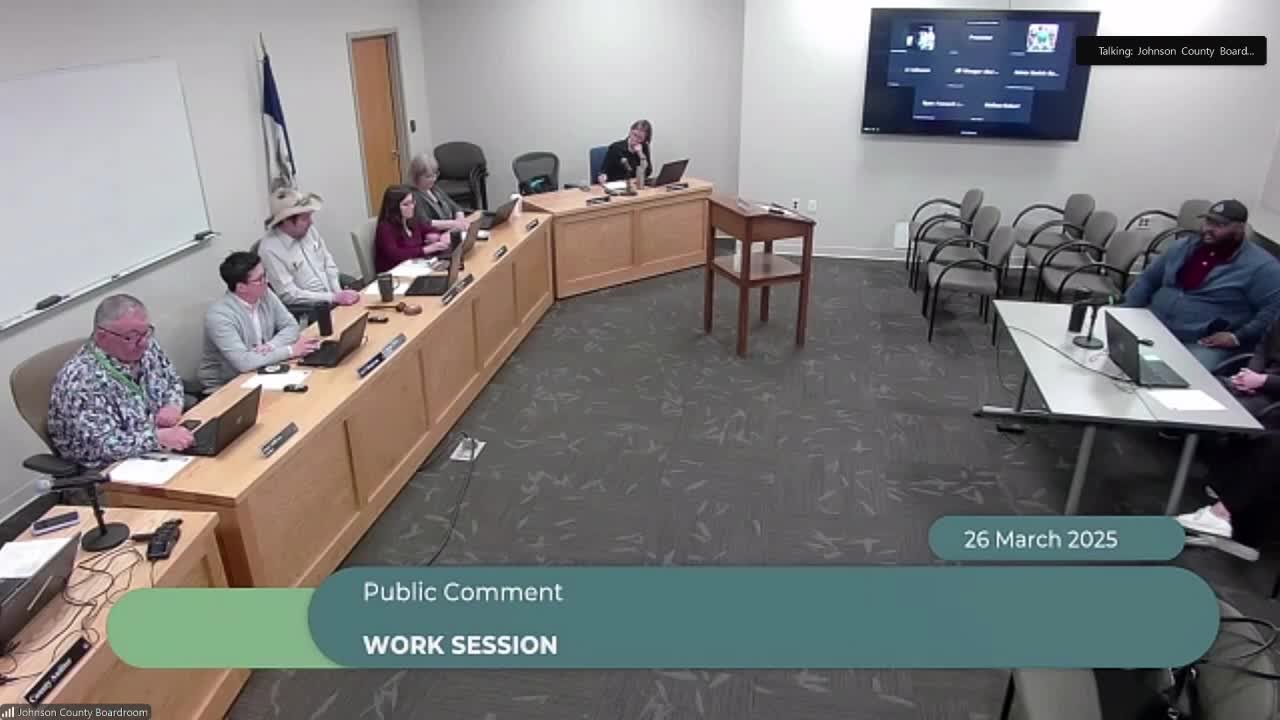
Royceann Porter, owner of Royceann Soul Food and a South District Market vendor, told the board she was disappointed that several Black-owned businesses she represents were not advanced for review because they were identified as outside QCT boundaries. "The exclusion from this grant program has only exacerbated these challenges, leaving a vital segment of our business community without the assistance it desperately needs," Porter said. She asked supervisors to reconsider how QCTs were used to screen applicants and requested better in-process coaching for applicants.
Grant staff and supervisors acknowledged confusion about eligibility. Moore and other staff said the QCT check was one of three ways an applicant could meet the required showing of disproportionate pandemic impact: 1) being located in a QCT; 2) documenting lost revenue or pandemic-related increased costs; or 3) showing household/business income within 40–60% of area median income (AMI). Moore said applicants could self-attest to these criteria and would need documentation only if audited.
Officials said they will do more outreach and follow-up in round two. Administrators said applications that were submitted in round one but not funded will be reverted to draft so applicants can resubmit for round two, and staff offered one-on-one coaching. Moore said organizers will keep holding in-person application clinics at libraries and other community sites, and that translation services had been available by request.
Award list and distribution
Supervisors asked staff to provide the final awardee list to county communications for publication as W-9s and other paperwork are completed. At the meeting staff read the awardees and amounts into the record; the list provided on the record included (name — award): Bell Movers — $10,000; Healing Garden Massage — $10,000; Monitas Coffee — $10,000; Nicho — $6,000; Vaughn City Cleaning LLC — $10,000; Skin Deep Salon and Spa — $10,000; KMC Industries LLC (dba Spica) — $10,000; At Your Service — $3,524; Luna’s Tacos of Iowa City — $10,000; Leticia Farm — $3,500; Yoty Maisha — $5,000; Acapulco Inc. — $10,000; Plated Table — $7,500; Green Bar LLC — $9,500; Diversions Games and Cafe — $11,300; Kahajamil — $4,200; TK Iowa (technologies) — $10,000; Smash Juice Bar and Eatery — $10,000; Just in Time Medical Staffing — $10,000; Restorative Community Partners LLC — $10,000; Beyond Architecture Design and Build — $10,000; Kate Bukovich — $10,000, among others read into the record.
Planned changes for round two
Administrators outlined a fast timeline: April clinics and an application period closing April 30; steering committee review in early May with a vetting meeting May 14; individual review May 19–June 12; recommendations and target for distributing W-9s by June 6 and issuing checks by June 30. Staff said they will send a short feedback survey to round-one applicants and incorporate lessons learned — including clearer guidance on the three different eligibility paths and more proactive follow-up when staff detect potential application errors.
Discussion and next steps
Supervisors asked staff to coordinate with county communications to publish the award list as paperwork is completed. Several supervisors encouraged stronger outreach to South District sites and trusted community partners; Tracy Sargent of MDC Iowa offered the nonprofit’s help connecting applicants to technical assistance and training. Staff agreed to return with any substantive changes and said they will revert unfunded applications to draft for resubmission in round two.
Ending
Board members said they want quick implementation of outreach fixes before round two opens and asked staff to provide the awardee list to county communications once confidentiality checks are complete. Moore and Doyle said they will collect feedback and incorporate changes for the next application window.