Get Full Government Meeting Transcripts, Videos, & Alerts Forever!
Get email alerts on the Judicial topic
No spam. Unsubscribe anytime.
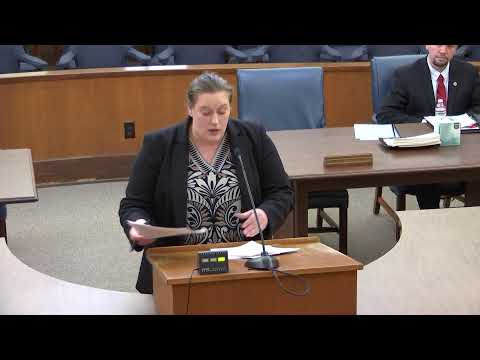
Appellate panel hears challenge to denial of Tennessee Bonding Company’s petition to write bail bonds
Summary
An appellate panel heard arguments over a trial court order that denied Tennessee Bonding Company’s petition to write bail bonds, centering on alleged inaccuracies in affidavits, whether defense counsel’s absence at a June hearing was excusable, and compliance with a local rule requiring letters of good standing from county clerks.
Tennessee Bonding Company appealed a trial court order denying its petition to write bail bonds, arguing the denial rested on inaccurate affidavits and that the trial court proceeded with a June 7 hearing without the company’s counsel present.
The appeal, argued before an appellate panel in Tennessee, centers on whether the trial court properly considered unauthenticated evidence and whether the company was denied a meaningful opportunity to be heard after its attorney, who said she had been declared a high-risk pregnancy patient, was unable to attend in person and had requested a remote option.
Appellant counsel told the court the company filed its petition for approval in July 2023 and first appeared for a hearing on Nov. 27, 2023. Subsequent hearings were held in April and June 2024. Counsel said the June hearing proceeded without her after she twice notified the court and sought a Zoom link for medical reasons and provided a doctor’s note. "Counsel never heard from the court and the state," the attorney said, and later argued the trial court’s order denied the petition "due to inaccurate affidavits only," a characterization the appellant disputes.
Allen Groves, arguing on behalf of the State, said the trial court properly denied the petition because the bonding company’s president had given false testimony under oath about prior bankruptcies and civil judgments and because the company failed to comply with a local rule requiring letters of good standing from surrounding counties. "This court should affirm," Groves told the panel.
Counsel for the bonding company contested the authenticity of records the state relied on, saying some exhibits appeared to be screenshots or records that could not be authenticated and that the bankruptcy filings on file were old or purged from the bankruptcy court’s website. Counsel argued that the company had filed semiannual reports and provided insurance-backed financials, and that those filings should have addressed the state’s solvency concerns in lieu of letters of good standing from county clerks.
The panel discussed statutory standards cited by both sides. The transcript records references to Tennessee statutes by number, including the bonding statutes and appellate-review standards; the parties debated whether review is de novo and which statutory provisions govern appearance by bonding agents or companies. Judges on the panel noted that, under de novo review, the court may examine the totality of the record and not only the specific grounds the trial court cited in its written order.
Counsel for the state said the company "conceded that it has violated the local rule in this district" and argued that the company effectively waived objection by not appearing at the hearing or filing a formal motion for continuance. Appellant counsel countered that emails notifying the court of inability to appear were sent and that counsel had requested a continuance or remote appearance, and that the record did not show the exhibits that were later relied on in the trial court’s written order, preventing contemporaneous objection.
The panel questioned whether bonding agents authorized in other districts could appear personally and whether statutes permitting agents to appear without counsel applied to companies seeking initial approval. The parties also debated whether a local rule requiring letters of good standing from neighboring county clerks was enforceable in practice when clerks refused to provide such letters.
On the factual record cited by the state, Groves argued the president’s testimony in November 2023 denying prior bankruptcy filings was false because federal bankruptcy petitions and federal tax liens appeared in the record and were not objected to at the hearing: "They are in the record. They are proof. They weren't objected to, so we can take it that he did declare bankruptcy," Groves said.
Appellant counsel urged the panel to remand for a proper hearing with authenticated evidence and an opportunity for counsel to object, saying the trial court had "proceeded without counsel present, without being able to properly object." The transcript records disputed statements about a reported $266,000 tax lien that the appellant said could not be located in any records provided to counsel.
The panel did not announce a decision at the hearing. The arguments reflect the court’s consideration of (1) whether the trial court’s denial was justified by inaccuracies in affidavits and other factual findings; (2) whether counsel’s failure to attend—after notifying the court—deprived the company of due process; and (3) whether the company’s failure to secure letters of good standing from neighboring county clerks justified denial under local rules. A ruling by the appellate panel was pending at the close of the oral argument.
The record on appeal includes the July 2023 petition, hearings on Nov. 27, 2023, April 22, 2024, and June 7, 2024, the trial court’s written order denying the petition, and exhibits the parties discussed but which counsel said were not attached to the order in the trial record provided to the appellant.