Get Full Government Meeting Transcripts, Videos, & Alerts Forever!
Boston hearing examines reinstating syringe redemption program as city expands sharps response and workforce cleanup efforts
Summary
Boston City Council’s Committee on Public Health, Homelessness, and Recovery held a hearing April 1 to consider reinstating the Community Syringe Redemption Program and review the city’s syringe‑collection strategy.
Boston City Council’s Committee on Public Health, Homelessness, and Recovery held a hearing April 1 to consider reinstating and sustainably funding the Community Syringe Redemption Program and to review the city’s broader syringe-collection strategy.
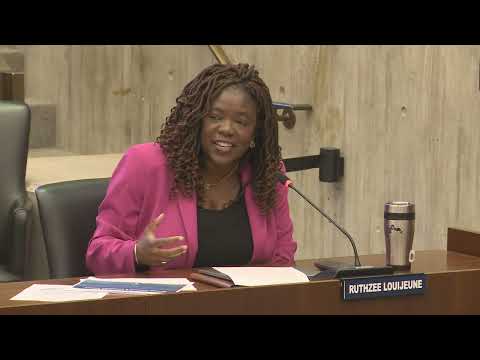
The hearing, Docket 0422, drew elected officials, Boston Public Health Commission (BPHC) leaders, the Newmarket Business Improvement District (BID), managers of the former redemption program and residents with lived experience. Committee Chair Councilor John Fitzgerald (District 3) said the meeting’s purpose was “to discuss the immediate reinstatement of and sustainable funding for the Community Syringe Redemption Program.”
The matter matters to residents, elected officials and public-health leaders because discarded syringes have appeared across parks, sidewalks and school grounds, prompting public-safety and health concerns and repeated calls to 311. Supporters of CSRP told the committee the program reduced syringe litter and provided low‑threshold work and engagement for people who use drugs; city officials said they have expanded other collection methods while citing cost and concerns about visible congregation around some CSRP sites.
BPHC commissioner Dr. Bisola Ojikutu told the committee that the city remains committed to harm reduction but must balance sustainability and cost. “Distribution of clean needles and other harm reduction supplies, it is a vital component to our strategy to decrease the risk of infectious diseases and essentially save lives,” Ojikutu said. She described a layered approach that currently relies on a mobile sharps team (a rapid response unit that answers 311 calls and conducts proactive sweeps), the AHOPE harm‑reduction program (needle exchange plus testing and referrals), street outreach teams and 10 public syringe-disposal kiosks, plus nearly 50 pharmacy disposal sites created after passage of a city sharp‑disposal ordinance. Ojikutu said BPHC data show the commission distributed 577,990 syringes and…
Already have an account? Log in
Subscribe to keep reading
Unlock the rest of this article — and every article on Citizen Portal.
- Unlimited articles
- AI-powered breakdowns of topics, speakers, decisions, and budgets
- Instant alerts when your location has a new meeting
- Follow topics and more locations
- 1,000 AI Insights / month, plus AI Chat