Get Full Government Meeting Transcripts, Videos, & Alerts Forever!
Get email alerts on the Property Taxes topic
No spam. Unsubscribe anytime.
Des Moines County supervisors hold public hearing; say levy rate unchanged amid resident concerns
Summary
At an April 1 public hearing, residents raised concerns about property taxes and a recent confusing state mailer; supervisors and staff reiterated the county did not raise the levy rate for FY2026 and described the timeline for setting next year’s property tax.
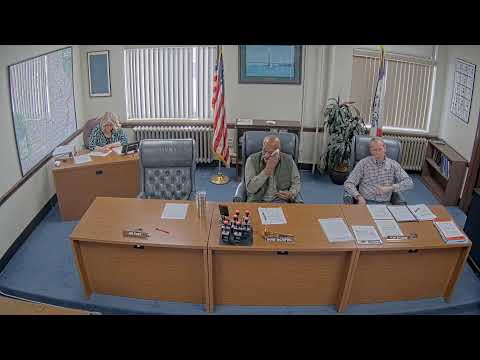
Des Moines County supervisors held a public hearing April 1 on next year’s budget and property tax levy and repeatedly told residents the county has not raised its levy rate for fiscal 2026.
The most direct objection came from Tom Upton, a Burlington resident, who said he was “opposed to any increases” and described the impact of inflation on households on fixed incomes. “I’m on a fixed income…my income isn’t really going up, but I have to deal with all the expenses around me,” Upton said during the hearing.
County leaders said the levy rate is being held constant as the budget process moves forward. “We did not raise the tax levy,” Supervisor Tom Broker said. Broker described the county’s budgeting practice of keeping “downward pressure” on levies and said budget work happens over months of hearings and packet review.
The hearing drew several residents who sought clarity after a state-mandated mailer and a recent rejected franchise-fee measure in Burlington. Resident Greg Nannagold presented charts he said show the county’s “actual dollar levy” has decreased even though some residential taxpayers may see valuation-driven changes. He called the mailer’s language — which referenced “inflation” — misleading. A county budget staffer told the hearing the state requires certain language on that notice.
Other commenters urged transparency and long-term planning. Chad Berg, a Burlington resident, thanked the supervisors for holding the levy rate steady and described how assessment and rollback rules can produce confusing outcomes for taxpayers: “My assessment last year went up over $15,000 but my taxable value went down $11,000 — I’m paying $434 a year less this year than last year.”
Several speakers asked whether the public would have a direct vote on future tax increases. Supervisors said public hearings are part of the budget process and noted proposed state legislation could change how local governments ask voters on tax increases, but they stressed that, under current law, there is no countywide vote to approve routine levy changes.
The hearing also included a discussion of a separate, city-level franchise fee in Burlington that failed in a local vote. A county official explained the franchise-fee proposal would have redirected a portion of local option sales tax revenue to the city, and that the county estimated the change would have cost roughly $140,000–$150,000 in annual revenue and increased utility costs for entities that had previously been exempt from a franchise fee. The official said, for example, the county’s utility bills inside Burlington would have been about $200,000 annually and a 3% fee on that figure would have been roughly $6,000.
Supervisor Broker encouraged residents to attend budget work sessions and the formal departmental budget hearings in January, and reminded the public that the county publishes hearing dates and budget packets in advance. The supervisors set a public hearing on the FY2026 budget (see separate article) but did not change the levy at the April 1 meeting.
Ending: The supervisors closed the public hearing after taking public comment and later moved on to routine claims and departmental reports. Residents with outstanding questions were directed to the auditor’s office and to budget hearing materials published ahead of next month’s formal budget hearing.