Get Full Government Meeting Transcripts, Videos, & Alerts Forever!
Get email alerts on the Winter Operations topic
No spam. Unsubscribe anytime.
UDOT staff describe canyon closures, rescues and avalanche risk during winter operations
Summary
Utah Department of Transportation winter-operations staff described why canyons are closed during heavy snow, how crews help stranded motorists and how UDOT coordinates with mountain resorts to manage slide risk and reopen roads.
Utah Department of Transportation winter-operations staff described the agency’s approach to canyon closures, vehicle rescues and avalanche risk, saying crews prioritize safety over motorists’ desire to travel during storms.
A UDOT winter-operations staff member, speaking in recorded audio of operations, said they began working at UDOT “about 3 and a half years ago” and that the job includes helping motorists and operating in hazardous winter conditions. “I really love the snow,” the staff member said. “When you hit the brakes, you just slide off the road, then you can't get back on.”
The staff member and colleagues detailed routine actions taken when canyon conditions worsen: closing the canyon, performing vehicle turnarounds, pulling vehicles out, and conducting a sweep after a closure to ensure everyone is clear. “So we'll come try and help get everybody back on before the closure. Then we do a sweep through the canyon to make sure everybody's safe and everybody's out,” another UDOT staff member said.
Why it matters: canyon closures affect skiers, resort visitors and residents who use the canyons for recreation or commute. UDOT staff described two types of winter days — those with little slide activity and others when “the slide activity is just incredible,” which prompts closures and mitigation measures that can leave motorists stranded if they attempt to travel.
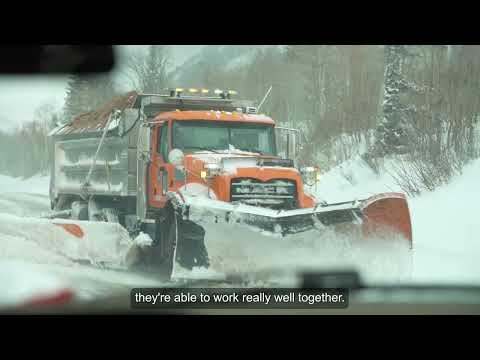
Staff described coordination with mountain resorts and local partners. “A lot of the people at Snowbird, Nalta, Sean talks to you regularly, Lori talks to you regularly. They've worked together for a long time. So it's, they're able to work really well together. Make smart decisions,” one staff member said, describing lines of communication used when conditions change.
Operational details mentioned in the audio include advancing plows and reopening plans: “The plows are headed down, and then once they turn around, we should be pretty close to an opening,” a staff member said. Crews also reported prioritizing rescue and assistance tasks when drivers are not prepared for winter driving.
No formal policy text, statute citations or votes were discussed in the recorded excerpt. The discussion documented routine operational choices, staffing experience and coordination practices rather than regulatory changes or formal actions.
UDOT staff emphasized the mission of public safety. “That helps make the job better, knowing that there's people out there that appreciate what we do. We do it to keep everybody safe in Utah,” one staff member said.
The audio captures operational perspective on why closures occur, how crews respond to stranded vehicles, and how UDOT works with mountain stakeholders to reopen roads when conditions allow.