Get Full Government Meeting Transcripts, Videos, & Alerts Forever!
Get email alerts on the State Libraries Reorganization topic
No spam. Unsubscribe anytime.
Senate committee approves bill to move state library functions to Department of Education amid heated testimony
Summary
The Senate State Agencies committee advanced SB 536 to transfer Arkansas State Library functions and funding oversight to the Department of Education. Supporters described the change as accountability; library directors and staff warned it would disrupt services, risk funding and hurt rural libraries.
The Senate State Agencies & Governmental Affairs Committee voted to advance Senate Bill 536, a measure that would abolish the Arkansas State Library as an independent agency and transfer its statutory functions, personnel and some appropriations to the Arkansas Department of Education (ADE).
Proponent Senator Sullivan said the measure is about “oversight, innovation, accountability, and opportunity” and told the committee he would support increasing library funding if the new structure produced accountability. “I would be the first 1 to increase library funding,” he told colleagues.
Supporters and committee members framed the bill as aligning library oversight with the state’s broader education structure and tightening how state aid is distributed. Daniel Schultz, general counsel for ADE, told the committee that the agency is “confident that the agency will be able to fully fulfill the goals set out in the law both currently and as reconstituted and will . . . fulfill the obligation set forth by the ADE.”
But the bill generated sustained opposition from library directors, state library staff and regional library system leaders who testified the change would disrupt long‑standing services and threaten funding for small and rural libraries.
Misty Hawkins, regional director for the Arkansas River Valley Regional Library System, said SB 536 “would have a direct and negative impact on every library in Arkansas regardless of size,” warning that the bill imposes “unnecessary bureaucracy” and that some libraries would be unable to meet the new compliance requirements. Deborah (Debbie) Hall, an employee of the Arkansas State Library, told the panel the agency “performs its duties efficiently” and said dismantling it would be “disruptive, chaotic, and expensive.”
Regional directors described day‑to‑day programs they fear losing. John McGraw, regional director of the Faulkner‑Van Buren Regional Library System, said his system documents show “we returned $3 in library goods and services for every dollar that was spent” and emphasized the scope of reporting and services currently managed by the state library. Claire Graham, regional director for Mid Arkansas Regional Library System, and Ally Stevens Gosselinck, director of the Calhoun County Library System, told the committee that summer reading, bookmobile and workforce services could be jeopardized and that many small branches lack the staff, space and budgets to meet the bill’s proposed eligibility or operating‑hours requirements.
Committee members pressed for detail about implementation, appeals and timing. Senator Tucker asked whether the bill would require libraries to remove materials or segregate collections; Sullivan and witnesses said the bill incorporates language intended to follow recent court guidance on age‑appropriate segregation and that a process for appeals is included. Sullivan noted the bill’s emergency clause would make many provisions effective July 1 and said libraries would have an appeal process if ADE found them noncompliant.
Library witnesses said that even with appeals the July 1 effective date creates an acute risk for smaller libraries. Ally Stevens Gosselinck said her county received $7,100 in state aid last year and that meeting new hourly or compliance thresholds “would cost more than the amount of state aid I currently receive.” John McGraw, who said his regional system spends months compiling annual state reports, warned shifting administration to ADE could interrupt federally linked funding and reporting workflows.
Senator Sullivan responded that the bill transfers functions rather than eliminates services, and that the change is intended to align state aid distribution with defined state priorities. He also noted a roughly $5.8 million statewide appropriation for state aid mentioned in the hearing and said counties that benefit should be prepared to share responsibility for local funding.
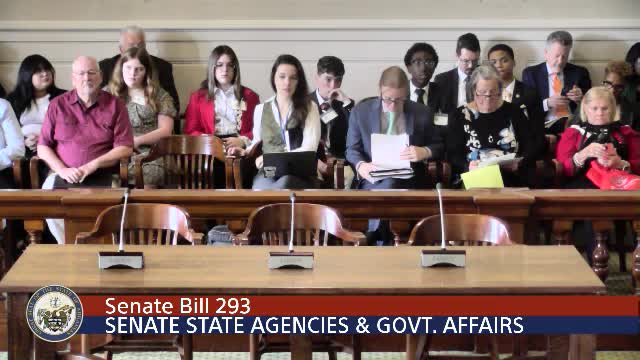
After testimony and questions—including from members of rural delegations—the committee voted on a motion to pass the bill. The committee approved SB 536 by voice vote.
If enacted, SB 536 would move statutory duties and many programs currently run by the Arkansas State Library into ADE, require libraries to meet stated eligibility criteria to receive state aid, and create a process for ADE oversight, incentives and appeals. Supporters argued the change brings accountability and the opportunity to reorient state aid toward literacy and training priorities; opponents argued it centralizes control, risks service interruptions and burdens already‑stretched rural libraries.
Committee action is an early step in the legislative process; the bill will advance to the full Senate for further consideration.