Get Full Government Meeting Transcripts, Videos, & Alerts Forever!
Get email alerts on the Genetic Testing Cancer Coverage topic
No spam. Unsubscribe anytime.
Committee advances bill to eliminate cost‑sharing for clinically appropriate cancer genetic tests and related screenings
Summary
House Bill 10‑79, supported by cancer survivors and medical experts, would require insurers to cover clinically appropriate genetic testing and resulting recommended screenings without cost‑sharing; sponsors said the projected premium impact is small and the public health benefits are substantial.
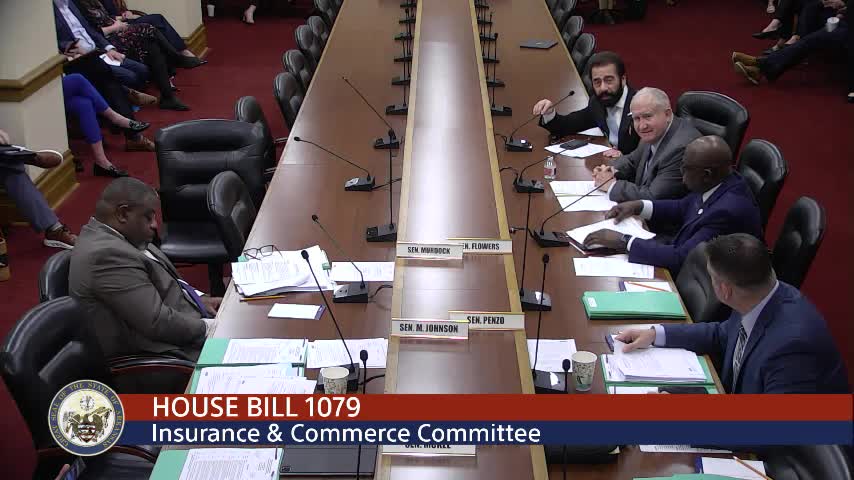
The committee considered House Bill 10‑79, which would require private insurers to eliminate cost‑sharing for clinically appropriate cancer‑related genetic testing and for screenings recommended based on those test results.
Sponsor Sen. Dave Wallace and Representative Fred Allen described the measure as a bipartisan, stakeholder‑negotiated bill supported by the American Cancer Society. Medical witnesses described how focused genetic testing can identify inherited predispositions to cancer and enable earlier screening for relatives at risk.
Dr. Sam McCool (appearing as a physician witness) explained that targeted panels for high‑risk genes often cost a few hundred dollars, and he said testing could allow clinicians to intensify screening for those at highest risk while avoiding unnecessary tests for lower‑risk individuals. Lindsey Penn, a cancer survivor and volunteer with the American Cancer Society Cancer Action Network, testified about personal benefits from testing and urged passage.
Sponsor testimony estimated private insurer premium increases would be modest—“a dollar or less” per policyholder in projections offered to the committee—and said there would be no direct state cost. Committee members raised the broader question of cumulative mandated benefits and cost impact over time; sponsor replied that projected cost increases were minimal compared with potential lives saved and downstream savings from earlier detection. Committee members voted to advance the bill.
Why it matters: Supporters argue that covering clinically appropriate genetic testing and follow‑up screening will improve early detection and reduce late‑stage cancer costs. Opponents and some members expressed caution about the cumulative effects of multiple mandated coverages on insurance premiums.
Actions: Committee adoption of an amendment was recorded and the bill was advanced by voice vote; transcript shows sponsors moved to pass and committee agreed by recorded voice votes without a full roll‑call tally in the record.