Get Full Government Meeting Transcripts, Videos, & Alerts Forever!
Get email alerts on the Energy Nuclear Smr topic
No spam. Unsubscribe anytime.
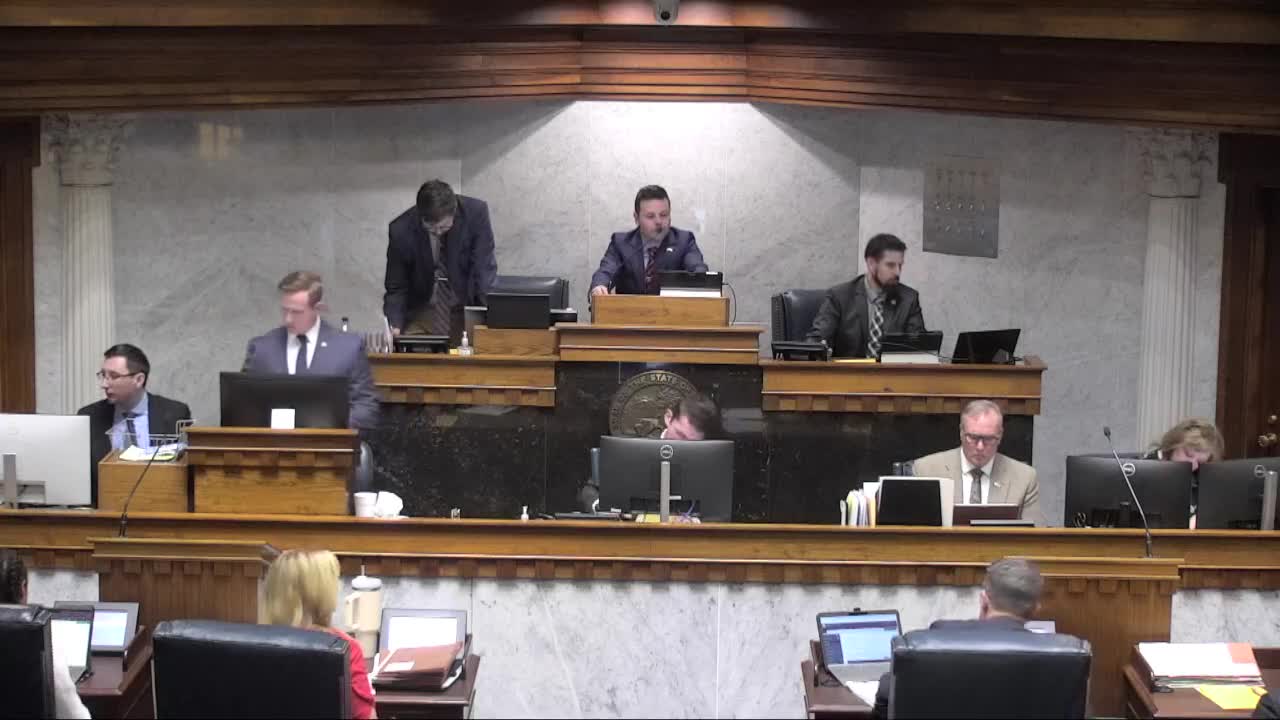
Senate approves concurrence on small modular reactor bill after debate over ratepayer predevelopment charges
Summary
The Senate approved a motion to concur on Senate Bill 4-24 (SMR provisions) after extended floor debate about removing a sunset on recovery of predevelopment costs from ratepayers; vote 32–15.
Senators on the floor voted to concur with the House on Senate Bill 4-24, a measure to authorize recovery of certain small modular reactor (SMR) project development costs from ratepayers, after extended debate about whether removing a sunset leaves consumers exposed to indefinite charges. The motion to concur passed by recorded vote, 32 ayes to 15 noes.
The dispute centered on a House amendment that removed a sunset date from the original Senate language. Senator Cook, presenting the motion to concur, said the House removed the sunset because companies that might deploy later would be hindered by an early deadline and argued regulatory certainty is important for large investments. Cook also read a definition of “project development costs” on the floor that, per the transcript, includes "evaluation, design and engineering costs; costs for federal approvals and licensing; costs for environmental analysis and permitting; early site permit costs; equipment procurement costs; and authorized carrying costs." He also noted that regulatory review by the Indiana Utility Regulatory Commission (IURC) remains part of the recovery process.
Opponents warned that removing the sunset effectively allows cost recovery for preconstruction spending indefinitely. Senator Hundley said the House change "creates a blank check for folks to charge our rate payers for project development costs for as long as they would like" and emphasized SMRs are experimental and not yet widely deployed in the United States. Senator Young and others pressed the sponsor on how and when ratepayers would be charged; the transcript records an exchange noting an "80/20" allocation (as discussed on the floor): roughly 80% of certain predevelopment costs could be included in rates while the remaining 20% remains the developer’s "skin in the game," subject to IURC approval.
Senator Taylor said she could not support the concurrence, arguing taxpayers would shoulder upfront research and development costs while any future savings remain speculative. Senator Cook read a letter from the Indiana Building Trades Unions urging support and stressing job creation and energy reliability benefits.
The Senate recorded the roll call on the motion to concur; the clerk announced "32 ayes, 15 noes. The motion to concur has passed." The transcript shows senators asked that oversight remain available in subsequent sessions if lawmakers decide to revisit sunsets or other limits.
Action: the motion to concur on Senate Bill 4-24 carried and will be transmitted according to legislative procedure. Further regulatory and IURC review was referenced on the floor; no implementation details beyond the bill text and committee procedures were decided in the floor debate.