Get Full Government Meeting Transcripts, Videos, & Alerts Forever!
Get email alerts on the Elections topic
No spam. Unsubscribe anytime.
Only Citizens Vote Act fails in House after extended debate on IDs and access
Summary
Representative Long’s Only Citizens Vote Act, which would have changed the orientation and data-sharing treatment of limited-term ID cards issued to noncitizens, failed in the House by a recorded vote of 53–25 with eight present.
Only Citizens Vote Act fails in House after extended debate on IDs and access
Representative Long presented House Bill 14-22 seeking to distinguish certain state-issued, limited-term identification cards for noncitizens — including a vertical orientation and data-sharing changes between DFA and the Secretary of State — and to restrict those cards from being acceptable for some federal verification (as explained on the floor).
Why it matters: Proponents said the measure would protect the integrity of voter rolls by making limited-term noncitizen IDs more visually distinct and facilitating data-sharing to detect any inadvertent noncitizen registrations. Opponents said the change would single out immigrants, risk confusing poll workers and residents (vertical IDs are used for minors), and could eliminate access to Real ID and federal travel documents for lawful residents who are noncitizens.
Floor debate: Representative Gonzales Worthen and Representative Clowney spoke against the bill, arguing it would harm immigrant communities and could remove Real ID access. Representative Long said the Secretary of State supported the data-sharing aspects and characterized the change as a small administrative step to prevent noncitizen voting. The Secretary of State’s office had provided implementation cost estimates to the sponsor.
Sponsor quote: “I think we would all agree that only citizens should vote,” Representative Long said on the floor in support.
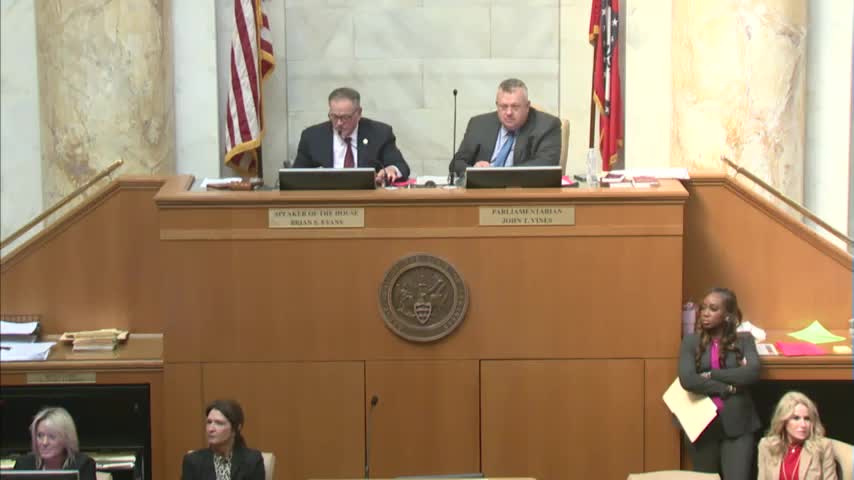
Vote: The House rejected the bill on a recorded vote, 53 yeas, 25 nays, 8 present; the Speaker announced the bill failed on the floor transcript.
Ending: The floor record shows significant opposition rooted in concerns about civil-rights impacts and access to federal identification for lawful noncitizen residents; the bill failed in the House.