Get Full Government Meeting Transcripts, Videos, & Alerts Forever!
Get email alerts on the Teacher Workforce Student Teaching topic
No spam. Unsubscribe anytime.
Committee hears proposal to create $7,500 stipend for student teachers to ease financial strain and improve teacher retention
Summary
House Bill 310 would create a grant program (subject to appropriations) providing up to $7,500 per student teacher to compensate the unpaid, full-time student-teaching semester. The committee heard testimony from student teachers, educator associations and advocates and discussed program costs and evidence of likely benefits.
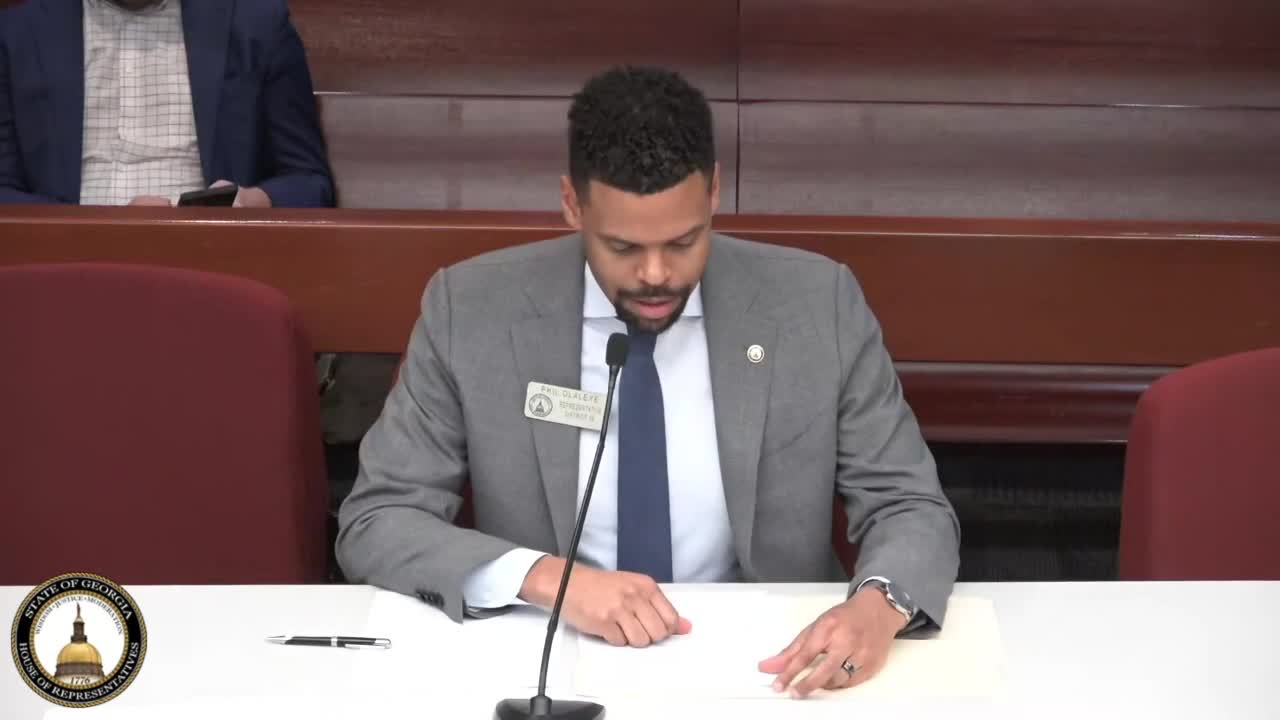
The House Education Committee held a hearing on House Bill 310, which would establish a grant program to provide up to $7,500 per student teacher in good standing to offset unpaid student-teaching expenses. Representative Phil presented the bill as a workforce development measure designed to reduce financial barriers that lead some education majors to drop out before completing their clinical student-teaching experience.
Student-teaching typically requires an unpaid, full-time placement — commonly described in committee testimony as roughly 40 hours per week for a semester (or 500 hours). Supporters told the committee that many student teachers cannot work or must reduce paid work while in placements, increasing living-cost burdens (rent, gas, food) during their final year of preparation. Testimony included accounts that living expenses, not tuition, are the primary source of debt increases during the student-teaching semester.
Representative Phil said the grant would be distributed as a stipend and that, historically in other states, similar programs have been used to recruit and retain teachers. He said the intention is that the state DOE would disburse grant funds to local districts, which would then provide stipends to student teachers throughout the placement — rather than issuing a single post-completion payment. Committee members asked about program scale and cost: the sponsor said there were roughly 6,000 student teachers statewide in recent years and estimated the total program cost could approach $45–50 million if every eligible student teacher received the stipend.
Student speakers and advocates described the practical hardship of unpaid placements and urged the committee to consider the program as a retention and equity measure. Skyler Nunley, a former fifth-grade teacher and state student organizer for the Georgia Association of Educators, said unpaid placements force many aspiring teachers to reduce coursework or drop out of preparation programs and asked the committee to consider available research and experience from other states.
Committee members requested additional evidence on retention impacts and how the grant might interface with other teacher-pay and loan-forgiveness initiatives. Representative Phil said he would work with the committee and appropriations staff to crystallize program design and to gather data on retention outcomes.
What’s next: The committee held the bill for further consideration; lawmakers requested follow-up data on the number of student teachers statewide, program cost projections, and retention evidence from comparable programs.