Get Full Government Meeting Transcripts, Videos, & Alerts Forever!
Get email alerts on the Energy Efficiency Audits topic
No spam. Unsubscribe anytime.
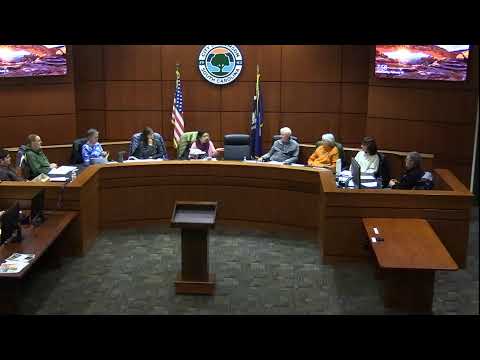
Clemson sustainability committee urges city to seek energy audits for municipal buildings
Summary
The Sustainability Advisory Committee voted to recommend the City of Clemson hire an outside firm to perform energy audits of city-owned buildings and provide cost‑benefit analyses of efficiency improvements.
The Sustainability Advisory Committee on Feb. 12 voted to recommend that the City of Clemson hire a company to perform energy audits of all buildings owned or used by the city and provide cost‑benefit analyses of energy‑saving measures.
Committee member presenting the Energy Efficiency Subcommittee report said the audits would produce engineering and cost estimates that the committee could use to advise City Council on which efficiency projects are cost‑effective. “This assessment would include the cost benefit analysis of energy efficient practices and therefore money saving opportunities,” the presenter said during the meeting.
Why it matters: City staff and the committee said the council needs more specific numbers—costs to replace or repair equipment, expected savings, and payback periods—before approving upgrades such as duct sealing, LED retrofits or repairs to solar arrays. Committee members cited a contractor proposal they reviewed that lacked line‑item savings estimates and said city policy requires soliciting multiple bids before contracting.
Details: The subcommittee reported site visits to six facilities, including City Hall, the Recreation Center, the police building, the CAT bus building, the Clinton Center (rec center) and the wastewater treatment utilities area. Committee members discussed specific engineering fixes raised by a consultant—examples included sealing ductwork rather than replacing very costly HVAC units, and repairing an inoperable component of a rooftop solar array at the CAT bus facility. One vendor proposal discussed in the meeting carried an approximate figure the committee recalled at roughly $9,000 for a scoped audit; the committee said it wanted at least two additional bids to compare.
Discussion vs. decision: Committee members debated whether Duke Energy, which already provides bill analyses for customers, could perform the work or whether independent engineering firms should be solicited. Several members noted Duke Energy’s commercial interest in selling energy and expressed skepticism that the utility would perform a full engineering assessment for older, specialized systems (for example, an REX system at the wastewater facility). The motion before the committee asked the city to initiate a competitive process and obtain multiple proposals.
Action taken: The committee voted to forward the recommendation to City Council asking that the city solicit firms to perform detailed engineering energy audits and cost‑benefit analyses for city‑owned buildings. The motion will go to City Council, which makes final contracting and budgetary decisions.
Next steps: Committee members said the city buildings superintendent and relevant departments will need to provide utility bills and building information to bidders. The committee expects the item to go before City Council for consideration; any hiring or expenditure decisions remain with council.