Get Full Government Meeting Transcripts, Videos, & Alerts Forever!
Get email alerts on the Campus Public Safety Leadership topic
No spam. Unsubscribe anytime.
Clemson names Kimberly Spears McNatt associate vice president for public safety; emphasizes collaboration and training
Summary
Kimberly Spears McNatt, a 30‑year law enforcement veteran from The Ohio State University, introduced her vision for Clemson University public safety, stressing campus‑city collaboration, cross‑training across divisions, mental‑health clinician ride‑alongs and pursuit of broader accreditation.
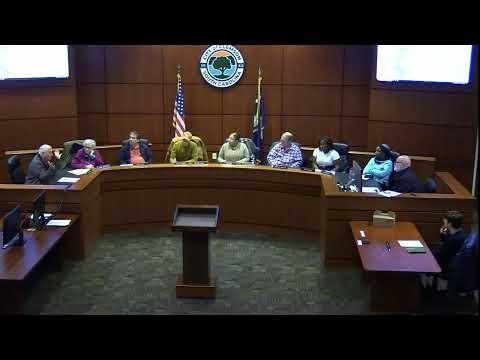
Kimberly Spears McNatt, the new associate vice president for public safety at Clemson University, introduced herself to the Clemson City Police Advisory Board on Jan. 23 and outlined priorities including cross‑training across fire, police, emergency management and the university’s TigerOne unit, and expanding accreditation beyond the police division.
McNatt, who said she joined Clemson in September after a 30‑year career at The Ohio State University, told the board she intends to “pull the groups together and have a vision for the Department of Public Safety.” She said her responsibilities include oversight of the police division, fire, emergency management and TigerOne, and that she reports to Tony Wagner, the university’s vice president for finance and operations.
McNatt said two central goals will guide her work: ensuring safety and delivering what she called “the number one student experience in the nation.” She said building and sustaining relationships with Clemson City, including the city police and fire chiefs, is essential because “understanding what impacts Clemson City also impacts the university.”
On operations, McNatt emphasized leadership development and cross‑training to avoid concentrating institutional knowledge in single employees. She said the university police already hold accreditation and she wants Fire, Emergency Management and TigerOne to pursue similar recognition.
Board members asked about practical safety issues on and around campus. Regarding scooters and other wheeled devices, McNatt said campuses nationwide face the same challenge and described a preference to start with education before enforcement: explain roadway rules, parking expectations and safe behavior, and escalate to citations when education fails.
On mental‑health response, a board member praised a clinician who rides with officers; McNatt confirmed the program and said the clinician responds to calls, helps de‑escalate crises and is employed through the Department of Mental Health. “Everyone has a different reaction when they see an officer show up in uniform,” she said, explaining that pairing a clinician with officers can improve outcomes and reduce stigma for people in crisis.
When asked about policies for service animals and emotional support animals, McNatt noted the Americans with Disabilities Act limits what staff can ask of someone with a service animal and that emotional‑support animals fall under university policy. She said officers have received training on those policies and that the police department posts guidance for employees at its station.
McNatt closed by endorsing continued community engagement by officers, including assignment to residence halls and affinity groups to make officers more visible and approachable to students.
Kimberly Spears McNatt said she is focused on recruiting, retaining and developing personnel to match the campus’s growth and pledged to continue conversations with the board about facilities, staffing and joint resources.