Get Full Government Meeting Transcripts, Videos, & Alerts Forever!
Get email alerts on the Foster Care Casa topic
No spam. Unsubscribe anytime.
CASA director urges state support as caseworker turnover, lack of legal and mental-health access deepen foster-care trauma
Summary
Amber Steinberger of CASA of South Central Missouri and a former foster youth described high caseworker turnover, long caseworker caseloads and large gaps in mental-health and legal services for children in foster care across the 20th/25th judicial circuit.
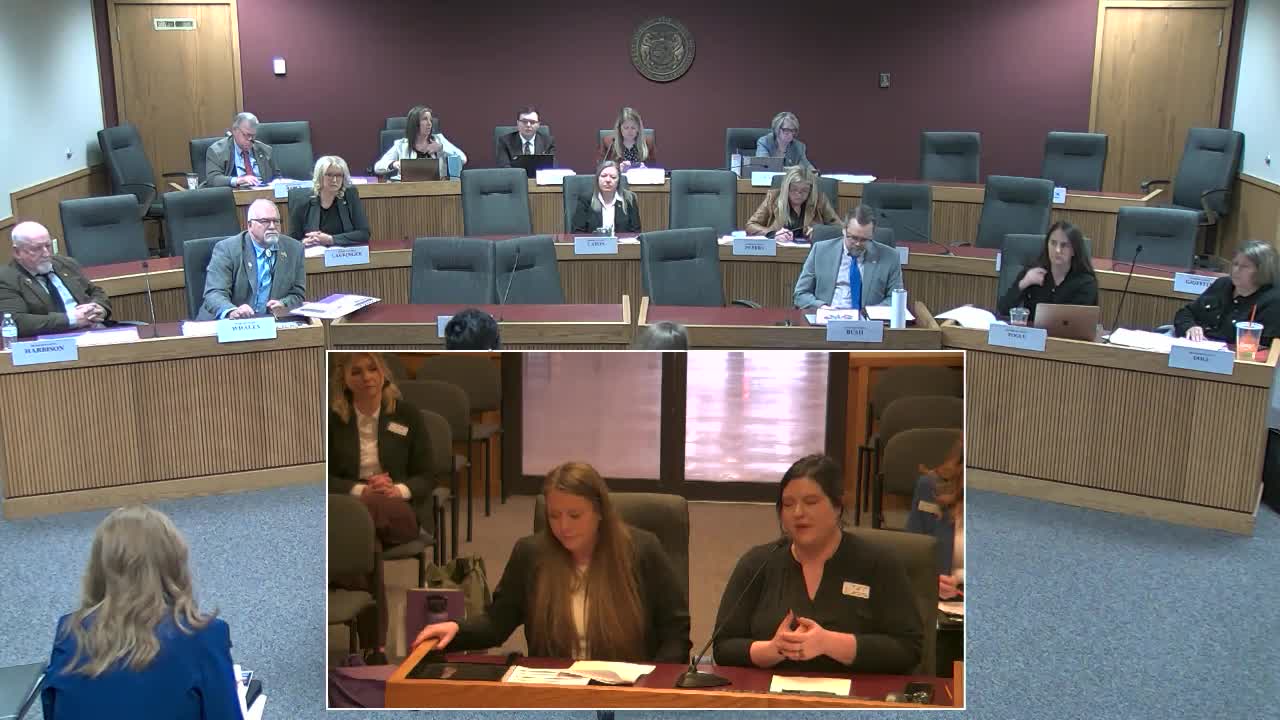
Amber Steinberger, executive director of CASA of South Central Missouri, told the Mental Health Committee that high turnover among children’s-division caseworkers and shortages in mental-health and legal services are worsening trauma for children in foster care.
Steinberger described CASA volunteers — Court Appointed Special Advocates who are sworn to represent children in court — as a stabilizing presence for youths who otherwise face frequent caseworker changes and delayed services. She told lawmakers her program’s 9 staff supervise 50 volunteers who in the last quarter reached 218 children, leaving 254 children in the circuit without an advocate.
Why it matters: Steinberger said the state’s foster-care system is straining and that caseworker attrition and low pay leave children without consistent oversight, increasing the risk of adverse outcomes including homelessness after aging out of care.
Brittney Sequeachia, a former foster youth who volunteers with CASA and described nearly eight years in care, told the committee she experienced multiple placements and limited continuity of care. She said CASA volunteers provided a rare consistent adult who advocated for basic needs, school support and court representation. Sequeachia described struggles navigating benefits and mental-health care after aging out — including a lapse of insurance that interrupted outpatient therapy and medications.
Steinberger and Sequeachia told lawmakers CASA programs rely heavily on fundraising and limited state allocations. Steinberger said the state organization receives about $1.3 million to divide among 24 local CASA programs and that local programs asked for a recurring $3 million appropriation to expand capacity; she said the organization sometimes receives small shares of VOCA funding (about 4.3% of a line item) and otherwise must raise roughly half of local program budgets.
Steinberger urged legislative support for: increased recurring state funding for CASA programs to recruit and supervise volunteers; investments in caseworker retention; better cross-jurisdiction coordination so children placed across counties do not “get lost in the shuffle”; and improved access to mental-health services for youth who have experienced trauma.
Ending: Steinberger told lawmakers that “every child deserves to be seen, heard, and protected” and asked legislators to consider recurring funding to expand CASA coverage so every child in foster care has a volunteer advocate.