Get Full Government Meeting Transcripts, Videos, & Alerts Forever!
Get email alerts on the Elections Presidential Primary topic
No spam. Unsubscribe anytime.
Missouri House votes to reinstate presidential preference primary, extends early voting window
Summary
Lawmakers on the Missouri House floor adopted a committee substitute to restore a presidential preference primary, move the date to early March and expand in-person no‑excuse early voting from two weeks to six weeks; the measure drew debate over party binding and cost.
The Missouri House adopted a committee substitute restoring a presidential preference primary and changing several related rules, including moving the presidential primary to the first Tuesday in March and extending in‑person no‑excuse early voting from two weeks to six weeks.
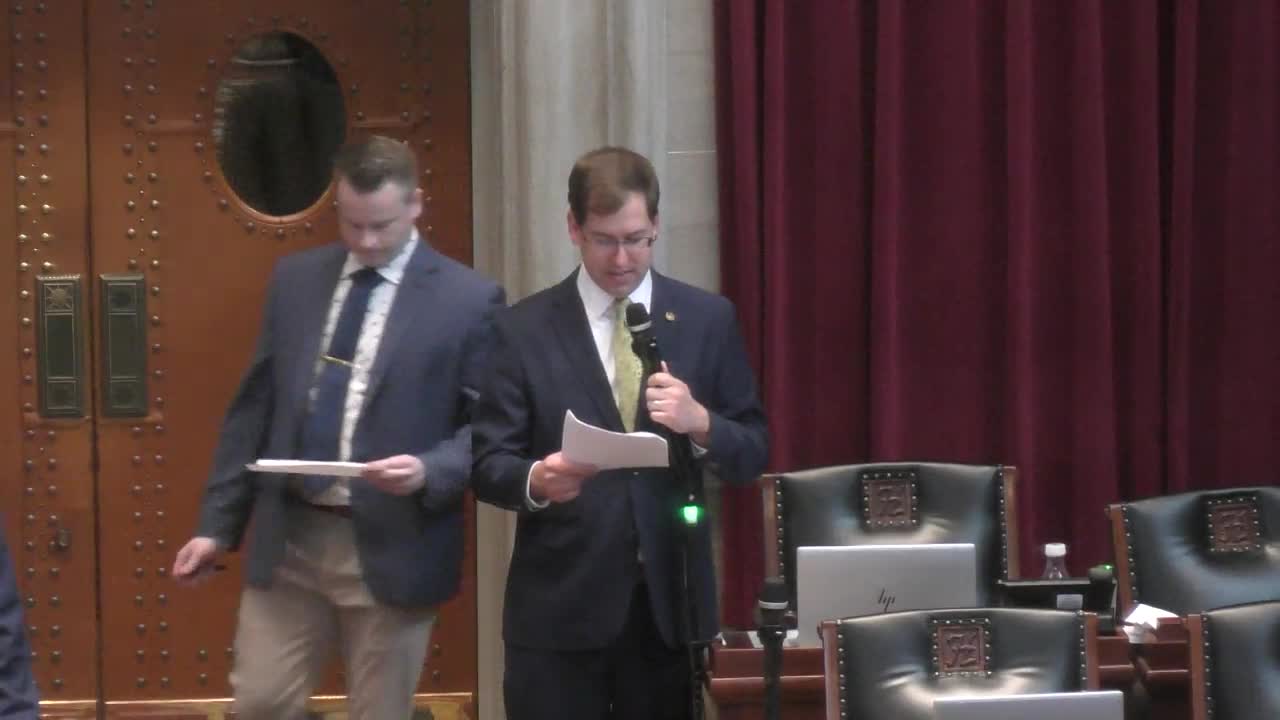
Supporters, led by Representative Cole (bill sponsor), said moving the primary and expanding early voting would increase participation, bring candidates to Missouri and include voters who cannot attend caucuses. “We want people to vote. We want our voices heard,” Representative Cole said on the House floor.
Opponents questioned whether a statewide primary can be made binding on party caucuses and flagged the estimated fiscal note. Representative Jackson and others noted that parties set their own rules; Representative Cole said parties have told sponsors they will bind delegates on the first vote, but added that statutory binding is not established by the bill.
The House also approved multiple amendments to the measure on the floor, including one described as cleanup language to assist local election authorities and another addressing polling‑place procedures and challenger access. Sponsors said local clerks had requested longer early‑voting periods after earlier experience with shorter windows.
Why it matters: The change shifts Missouri from the caucus preference process back to a statewide primary for presidential preference, affecting how voters participate and how the state is positioned in national nominating calendars. Supporters argued it expands access for military voters, workers unable to attend caucuses and others who do not or cannot participate in party meetings.
What happened next: The House voice‑approved the committee substitute and later perfected and printed the bill for subsequent steps in the legislative process.
Ending: The bill will move to the next chamber under the legislature’s regular calendar; supporters said the measure can be revisited if it fails to work as intended.