Get Full Government Meeting Transcripts, Videos, & Alerts Forever!
Get email alerts on the School Transportation topic
No spam. Unsubscribe anytime.
Committee advances bill to let districts get reimbursed for smaller vehicles for student transport
Summary
The Senate Education Committee voted to send House Bill 396 to the floor after testimony from rural superintendents and the bill's sponsor that the measure would allow districts to seek state reimbursement for smaller, non-yellow-bus vehicles used to transport groups under 10 students.
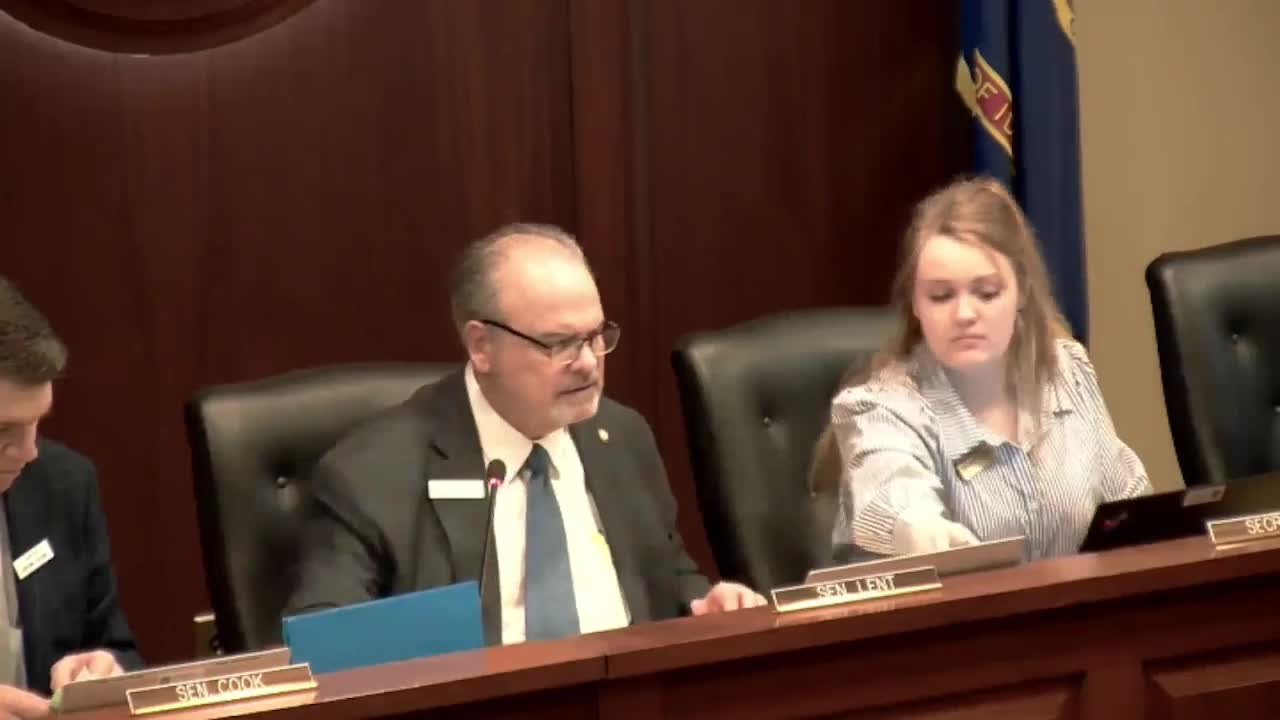
House Bill 396, which would allow school districts and charter schools to receive state reimbursement for authorized smaller vehicles used to transport students, was advanced to the Senate floor by the Senate Education Committee on a voice vote.
The bill’s sponsor, Representative Dan Garner, said the measure clarifies existing language about “authorized transportation operations,” removes reimbursements for virtual students who are not physically bused, and adds a list of approved alternative vehicles to be eligible for state reimbursement. "The big part that we've added is that they will get reimbursed for smaller vehicles that transport under 10 students," Garner said, adding that districts have informally used such vehicles but were not reimbursed.
Advocates and district leaders told the committee the change could produce substantial savings for rural and small districts. Tyler Telford, superintendent of Westside School District, said his district recently faced a choice between sending an 84-passenger bus at about $6.51 per mile or an approved minivan at just under $1 per mile for a round trip of about 20 miles; he estimated the smaller vehicle saved more than $600 on a single trip. He also described training and safety requirements for drivers of smaller vehicles.
Greg Larson, superintendent of Rockland School District, and other rural superintendents offered similar examples: small athletic teams and specialized career or therapy trips that are expensive to run on full-size buses but much cheaper in minivans. Representative Garner emphasized the bill is permissive, not mandatory, and includes safety measures that mirror bus requirements — periodic mechanic inspections, onboard fire extinguishers and fluid-cleanup kits, and a 60-day inspection interval for authorized vehicles.
Committee discussion focused on the bill’s intent and safeguards. Senator Nichols asked whether districts had provided feedback; Garner cited testimony from several districts describing both cost and student-comfort benefits. No fiscal impact was reported during committee discussion; proponents described savings at the trip level and said the change would allow districts to be reimbursed for practices already occurring informally.
The committee moved and seconded to send House Bill 396 to the Senate floor with a due-pass recommendation; the motion carried by voice vote.
Supporters said the bill would reduce transportation costs for small trips and provide flexibility for districts; opponents were not recorded on the bill in committee.
The measure will next be considered by the full Senate.