
Bronxville village judges report increased caseload, staffing changes and possible centralized arraignments
Get AI-powered insights, summaries, and transcripts
Sign Up Free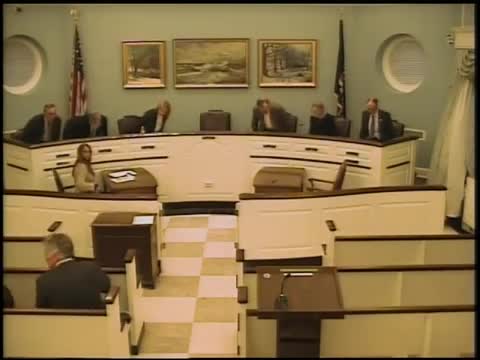
Summary
Bronxville village judges told trustees the court has seen higher case volumes, a recent clerk retirement and a new hire; they flagged a pending plan to centralize after-hours arraignments that could affect local police staffing.
Two Bronxville village judges told the Village Trustees on March 10 that the court has seen a sustained increase in volume over the past year, prompting staffing changes and discussion about adding an evening court session.
The judges said longtime court clerk Kelly Glover recently retired and the court hired Shirley Ben Venetes in January; assistant clerk Yesenia Tovahar has been supporting the transition. “We think we have a, a good team that, is sharing responsibilities very effectively in the persons of of Shelley and Yesenia,” one judge said.
The nut of the judges’ message was operational: higher traffic-enforcement case counts and other matters have produced long lines at Village Hall and raised the question of whether the court should add one monthly evening session to handle the increased caseload. “There’s some issues that need to be addressed in the coming months about whether we need to have another court session, probably 1 session per month at night, to take into account this increased volume,” a judge said.
The justices also described a proposed regional change — commonly called the “cap system” in the meeting — that would centralize after-hours arraignments in a county facility (cited examples included White Plains or Valhalla). They said the plan has not been instituted but could force two Bronxville officers to travel with a defendant to the central site, creating a local police-staffing impact. “That would raise a number of issues with our police staffing because if we had an arrest here in the village, it would require the absence of 2 police officers to bring a defendant up to White Plains,” one judge said.
The judges described other, non-routine functions they perform: digesting changes from the Office of Court Administration, continuing-education requirements, security training, occasional weekend coverage for adolescent arrestees in Westchester, performing weddings and handling off-calendar matters that require more time. They noted changes at the DMV and in point-assessment rules that have, in some cases, prompted litigants to seek to withdraw plea agreements.
Trustees asked questions about the causes of the caseload increase; one trustee suggested more enforcement in downtown traffic was a contributing factor. The judges confirmed an uptick in enforcement and said the additional officers on patrol appeared to be generating more citations.
The presentation closed with trustees thanking the justices for the briefing and noting the value of judges’ broader community service and volunteer coverage for county calendars.
The judges did not request any formal action during the meeting; they provided the trustees with operational context and said they are continuing to evaluate whether to add a night session and how to respond if the county centralization plan is implemented.