Get Full Government Meeting Transcripts, Videos, & Alerts Forever!
Get email alerts on the Municipal Budget Fleet topic
No spam. Unsubscribe anytime.
Public commenters raise questions about school bus replacements, fleet leasing and courthouse costs during budget discussion
Summary
During the Finance Committee meeting on March 28, public commenters pressed committee members and staff for details on the municipal budget’s transportation and fleet plans, school bus life cycles, electric vehicle feasibility and courthouse/road costs; staff pledged follow‑up with school and fleet data.
Several public commenters at the March 28 Finance Committee meeting urged committee members to provide more detail on capital and fleet decisions in the city budget, with speakers raising questions about school bus replacement cycles, the merits of leasing vehicles for the highway department and the feasibility of electric vehicles.
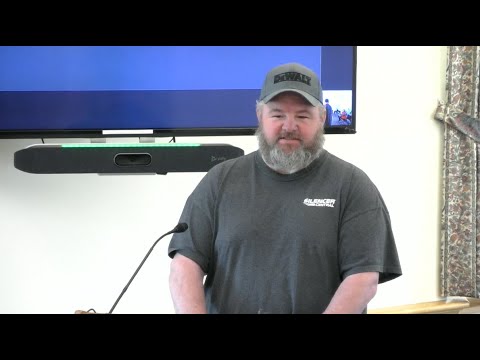
Jared Wilbur, speaking during public comment, praised the early release of budget materials but asked for clarity on transportation capital. He asked whether recently discussed van purchases (referred to by a commenter as about $90,000) could be shifted to leases and questioned the expected life span or mileage limit for school buses. "Is that when we just have to retire them? Because, you know, or is it that we hit a certain mileage and then we have to go and purchase new ones?" Wilbur asked, adding that he would like to know whether buses are traded in or kept as backups and whether state or federal regulations set operating limits for older buses.
City staff responded that the school department manages bus procurement and that staff would follow up with the superintendent for technical details. Finance staff also described work on a fleet management tool (Fleetio) and said the enterprise lease program provides data that can help inform replacement cycles and valuation, but noted that large assets such as fire trucks and likely school buses require different procurement or financing approaches.
Resident Roger Gilley criticized leasing plans for highway vehicles, saying leasing would raise costs because vehicles returned under lease often require bodywork before return and argued the city’s current maintenance and certification gaps are the underlying problem. Gilley also raised concerns about a proposed courthouse relocation and associated road construction costs, and described issues he said city garage employees reported about certification for a bucket truck and bathroom renovations. He further challenged the applicability of electric vehicles for municipal winter demands, citing local anecdotal experience with EVs in cold weather.
In response to Gilley’s remarks about the city garage and a cited $100,000 kitchen quote, a staff member said they personally had received an "outrageous quote for a kitchen for a hundred thousand," and acknowledged some communications and interpretation issues between staff and the public; staff invited commenters to follow up by email for more technical details.
Committee members said they would discuss valuation and mill‑rate impacts with council and planned to collect follow‑up information on bus life‑cycle regulations, lease versus purchase cost analyses, and the data supporting any future electric‑vehicle investments. No formal decisions or votes were taken at the meeting; staff committed to follow up with the school superintendent and to provide additional fleet and procurement information.
The public comments highlighted several recurring budget themes — capital replacement timing, how best to finance larger assets, procurement and certification of equipment, and the limits of emerging technologies for municipal service in winter conditions — that the committee said they would address in subsequent budget discussions.