Get Full Government Meeting Transcripts, Videos, & Alerts Forever!
Get email alerts on the Lodging Tax Financials topic
No spam. Unsubscribe anytime.
Clallam County lodging-tax revenues up through February but committee flags economic risks
Summary
Lodging-tax receipts were higher year-over-year in January and February, pushing projected reserves above the adopted budget, but committee members warned international travel drops, rising costs and state audits could tighten funds later this year.
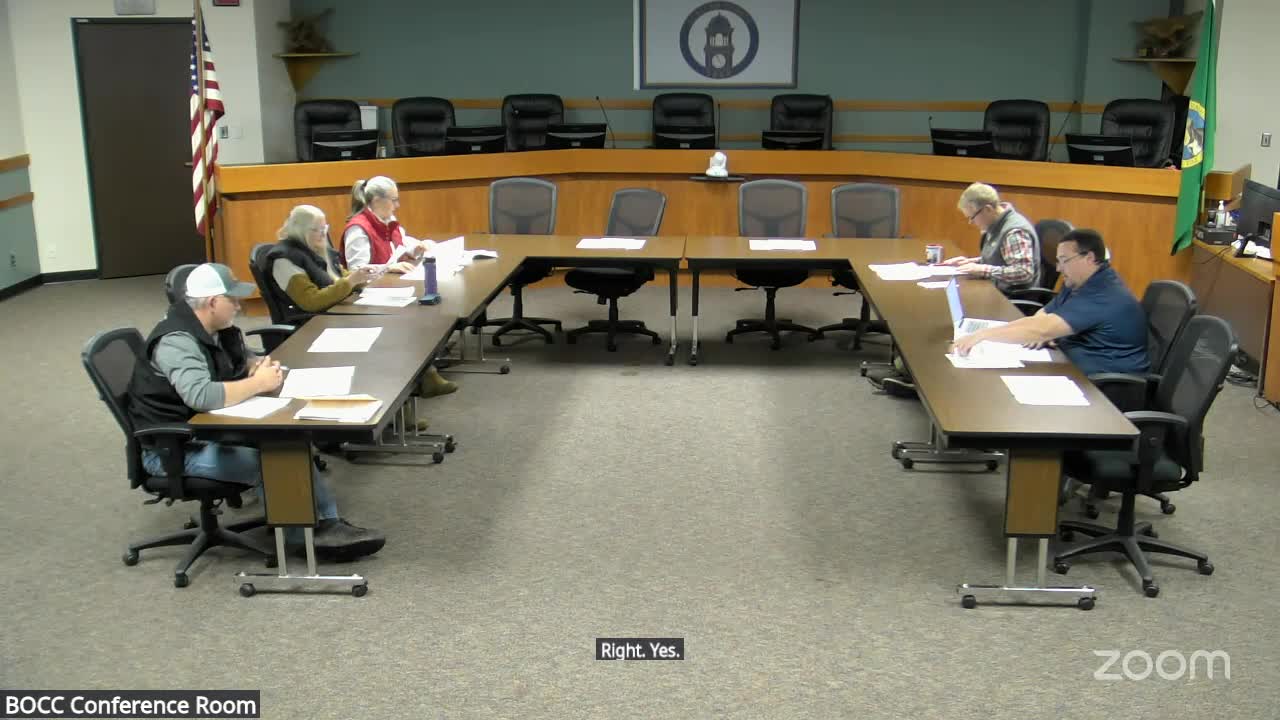
Clallam County’s Lodging Tax Advisory Committee was told March 13 that lodging-tax receipts for January and February outperformed the prior year, but members urged conservative budgeting amid emerging economic risks.
Mark, a county finance staff member, told the committee the lodging-tax fund took in about $78,000 in January and $80,000 in February, representing year-over-year monthly increases of roughly 28.7% and 13.2%. He said the county is projecting low-single-digit growth for the remainder of 2025 — a 4% assumption in the current forecast — and currently expects to end the year with reserves near $2,158,000 compared with an original budgeted reserve of $2,093,000.
The update came with repeated cautions from committee members. Several members and community representatives said cancellations for travel to Canada and Europe, and reports of softer bookings for spring, suggest March and April will provide a clearer signal about whether the early gains will persist. “We’re starting to see a little softening for March, April, May,” one committee member said, and others reported last-minute bookings are replacing long-lead reservations.
Mark said the committee had spent about 35% of its expenditure budget through February and that reserves stood just shy of $1,700,000 as of the end of February. He warned that if the committee reduced the assumed growth rate from 4% to flat (0%), the revenue outlook would decline by about $80,000–$85,000 for the year.
Committee members also flagged broader downstream risks: nonprofit partners dependent on federal grants may face reduced cash flow if federal funding is cut; restaurants statewide are reporting narrow profit margins, and local tourism businesses are closely watching arrivals from Canada and ferry ridership for signs of decline.
The committee approved the meeting agenda and minutes at the start of the session by voice vote. Members agreed to request additional details from grant recipients and to reconvene discussions about larger funding requests later this year.
The committee’s next regular funding round remains scheduled for later in 2025, and members said they would monitor March and April collections before recommending substantial changes to the budget.