Get Full Government Meeting Transcripts, Videos, & Alerts Forever!
Get email alerts on the Medicaid Community Engagement topic
No spam. Unsubscribe anytime.
Sponsor seeks raising Medicaid community‑engagement age threshold from 55 to 62; advocates and AARP warn of coverage loss
Summary
Representative Mercer asked the committee to raise the age at which Medicaid community‑engagement requirements apply from 55 to 62, citing longer workforce participation; AARP Montana and elder advocates opposed the change, saying it would impose administrative burdens and risk coverage loss among vulnerable adults.
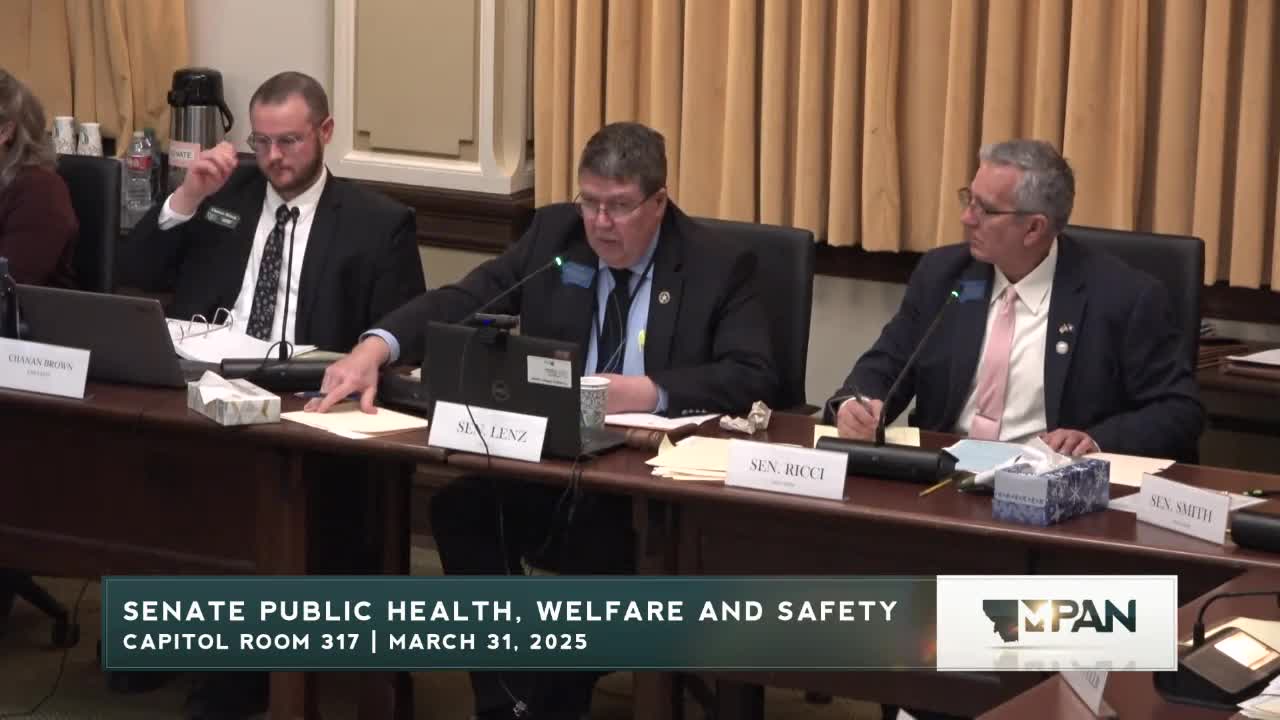
Representative Mercer asked the Senate Public Health Committee to consider raising the age threshold for community‑engagement requirements in Medicaid expansion from 55 to 62, arguing that more Montanans now work into later decades and a higher threshold would be fairer.
Opponents included AARP Montana and Big Sky 55 Plus, which testified that many in the 55–62 age group have health conditions, chronic disease and barriers to sustained employment; they warned that adding reporting and verification requirements would impose significant administrative burdens and risk unintended disenrollments among a vulnerable low‑income population. Kristen Page Nye of AARP Montana said the fiscal note estimates the population affected by the change at roughly 8,879 people in the 55–62 cohort and cautioned that a large share are likely to qualify for exemptions but would still face procedural burdens that drive coverage loss.
Gene Hermanson, chief financial manager for Medicaid at the Department of Public Health, responded to committee questions about implementation. He said the fiscal note assumes a waiver approval timeline and estimated that if the state implements community‑engagement requirements, the department would need additional administrative staff (roughly a half FTE during initial implementation) and that the earliest disenrollments from noncompliance would appear in the second fiscal year after implementation. Hermanson also noted the department’s previous challenges implementing community‑engagement processes that require significant administrative capacity and careful federal waiver approvals.
Committee members probed policy and technical implications. Senator Newman asked about the program cost and waiver timing; the department said the fiscal note assumes waiver approval around January 2026 and that estimated administrative costs reflect a staged implementation. Representatives of opponents argued that the administrative complexities and technology barriers (broadband, scanning documents) could prevent many low‑income older adults from proving compliance and lead to loss of coverage at the moment of greatest health need.
The hearing record shows substantial testimony in opposition and no committee vote during the session.