Get Full Government Meeting Transcripts, Videos, & Alerts Forever!
Get email alerts on the Consumer Protection topic
No spam. Unsubscribe anytime.
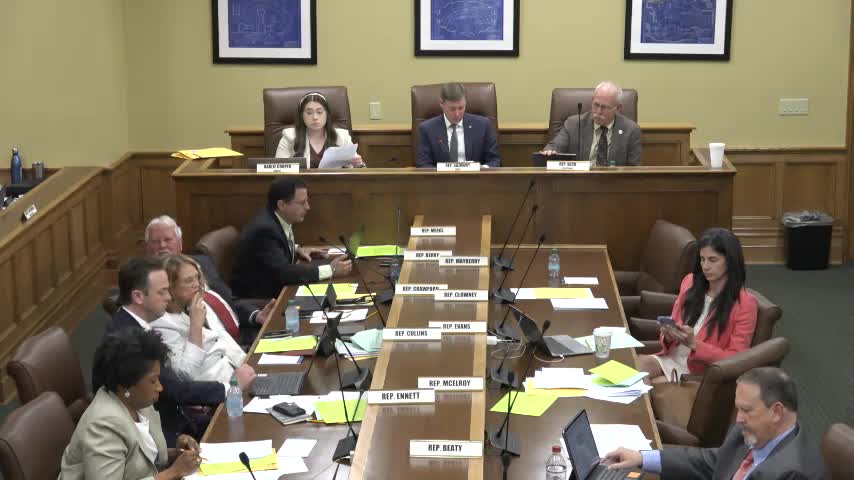
Committee approves changes to home‑inspector oversight, extends complaint window and tightens FOIA access
Summary
Senate Bill 443 made multiple changes affecting home inspectors and appraisers: it extends the period for certain home‑inspection complaints, removes a single‑abstractor‑per‑county rule, and clarifies disclosure of complaint records. Supporters said the changes protect consumers and give regulators more time to surface construction or inspection‑
Senator Bryant and Department of Labor and Licensing counsel presented Senate Bill 443, a cleanup and policy package that affects appraisers, abstractors and home inspectors. The bill contains several components: it would remove an outdated limit that restricted abstractors to one county; it would combine funds for related licensing units; it would remove a statutory requirement that the board go into an executive session for deliberations during administrative hearings (bringing appraisers in line with other professions); and it would change how complaint records for home inspectors are handled under public‑records rules.
For home inspectors specifically, the bill extends the time window in which aggrieved parties may file certain complaints from one year to three years (the sponsor noted the national practice averages longer windows). The measure also allows the regulatory board to contract with third‑party inspectors for complaint investigations and clarifies which records can be made publicly available under FOIA requests; currently, only the initial complaint is easily available, the bill seeks clearer authority for the board and staff to make other documents available to appropriate parties.
Representative Bryant and counsel explained the policy intent is consumer protection: the longer complaint period reflects that construction defects can take time to emerge and that the public should have an avenue for redress when inspections are negligent. Committee members queried whether the longer statutory window would raise insurance premiums for inspectors or draw broader civil litigation; witnesses said premiums and civil liability remain governed by market insurance decisions and civil courts, but the board’s complaint mechanism is designed to protect consumers and hold inspectors accountable. Members also asked about minimum errors‑and‑omissions insurance limits; witnesses noted a companion bill (House Bill 16 25) addresses that issue.
After testimony and Q&A, the committee voted to pass the bill by voice vote (recorded as “ayes have it”).
Why it matters: The bill changes the regulatory environment for home inspectors and appraisers, lengthening the statutory complaint period and clarifying public‑records access to complaint files; proponents said the changes boost consumer protection while opponents expressed concern about costs for inspectors.
What’s next: SB443 passed the committee and will advance to the next stage of the legislative process.