Get Full Government Meeting Transcripts, Videos, & Alerts Forever!
Get email alerts on the Agriculture topic
No spam. Unsubscribe anytime.
Committee backs bill to shield producers’ personal data in electronic cattle ID and veterinary certificates
Summary
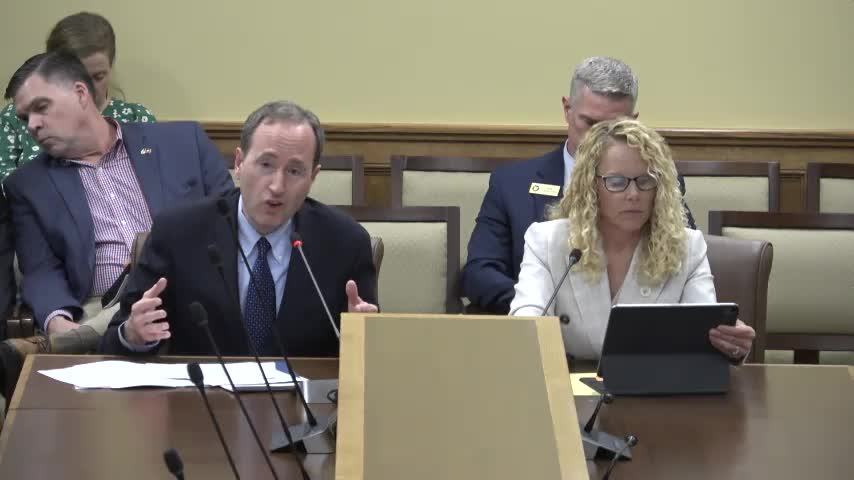
The House State Agencies committee advanced House Bill 1740 to limit public disclosure of personally identifiable information in agricultural electronic identification (EID) tags and certificate of veterinary inspection (CVI) records, the sponsor said, to protect producers from harassment while preserving disease‑traceability functions.
Representative Kendra Moore, presenting a Department of Agriculture bill, told the committee House Bill 1740 would limit public disclosure of personally identifiable information tied to animal electronic identification tags (EIDs) and certificate of veterinary inspection (CVI) records. Moore said federal interstate‑movement rules (USDA APHIS requirements) and growing use of EID tags make producer contact data more widely recorded; the bill seeks to protect producers from harassment or advocacy group requests while preserving disease‑traceability information.
Moore told lawmakers the department processes tens of thousands of EID tags and CVIs annually and maintains a database used for animal disease traceability. Committee members asked whether the public interest in animal health data would be restricted; Moore and department staff said aggregate and disease‑status information would remain available, but producer names, addresses, phone numbers and other personally identifiable details would be exempt from routine public disclosure. The sponsor said the exemption is aimed at preventing targeted harassment and protecting privacy while allowing the department to carry out traceability and quarantine actions when necessary.
Representative Collins asked whether the FOIA task force had weighed in; the sponsor said the task force reviewed the bill and had no position. Representative Clowney asked for examples of “nefarious actors” the exemption intends to deter; Moore described animal‑rights activists and other groups that have requested or used producer information for surveillance and protest activity. Committee members pressed whether CVIs historically were public records; department staff said the records have been treated as public, but the new federal requirements expanded the volume of personally identifiable data and elevated privacy concerns.
After discussion, the committee voted to pass the bill by voice vote. The transcript records a voice vote recorded “ayes have it.”
Why it matters: The proposal balances two considerations — protecting producer privacy and maintaining disease traceability. Supporters argued the exemption is narrowly tailored to personally identifiable data; colleagues asked for and received assurances that aggregate animal health information and traceability functions remain intact.
What’s next: The bill was approved by the committee and will advance to the House calendar.