Get Full Government Meeting Transcripts, Videos, & Alerts Forever!
Get email alerts on the Behavioral Health Workforce topic
No spam. Unsubscribe anytime.
Committee advances licensure‑by‑endorsement for marriage and family therapists to ease telehealth and cross‑border practice
Summary
Representative Dan Vaught and witnesses from the American Association for Marriage and Family Therapy told the House committee that House Bill 1187 would let out‑of‑state licensed marriage and family therapists obtain an Arkansas license by endorsement, easing telehealth and cross‑border practice to address workforce shortages.
Representative Dan Vaught presented House Bill 1187, which would streamline licensure‑by‑endorsement for licensed marriage and family therapists (LMFTs) from other states. An AAMFT representative described the measure as a portability model used by several states and said it would remove barriers that keep experienced clinicians from practicing across state lines either in person or by telehealth.
Witnesses told the committee Arkansas faces a shortage of behavioral‑health professionals and that licensure portability is a practical way to increase capacity. The AAMFT representative said LMFTs licensed in other states typically have master’s degrees, pass a national clinical exam and complete extensive supervised clinical hours; HB1187 would require an applicant to hold an unrestricted license in good standing, meet Arkansas continuing education requirements, and pay the Arkansas licensure fee.
Committee members asked about whether the bill would include other mental‑health professions (Representative Carr asked about licensed professional counselors); Vaught answered that LPC portability is addressed by a separate counseling compact and this bill is focused on LMFTs. Representatives pressed about differences in supervised‑hour requirements across states; witnesses noted hour and supervision requirements vary, but applicants would be subject to Arkansas law once licensed and to Arkansas board discipline for practice in Arkansas. Several committee members asked whether applicants who renew in Arkansas after coming from a state with fewer pre‑licensure hours would have to “make up” hours; witnesses said a clinician who gains an Arkansas license and later renews is subject to Arkansas renewal requirements, and the board enforces continuing education and practice standards.
Several clinicians and educators testified in support, describing workforce challenges in border counties, telehealth gaps and the financial and time burdens new license applicants now face. Supporters said the bill would not lower Arkansas standards and that the state board retains authority to discipline licensees.
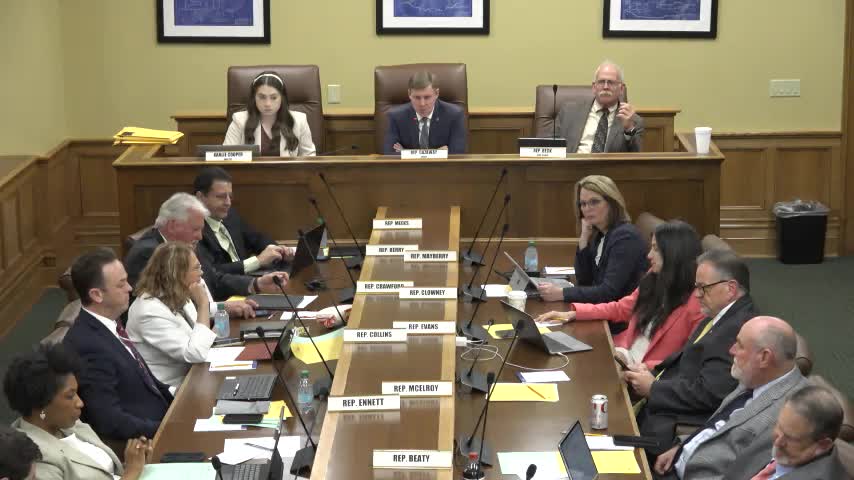
After public testimony and sponsor closing, the committee voted to pass the bill by voice vote. The transcript shows a recorded “ayes have it.”
Why it matters: Supporters said the measure would expand access to licensed therapists in rural and underserved areas and allow experienced out‑of‑state clinicians to start serving Arkansas patients more quickly, including via telehealth. Committee members explored details about supervision hours and disciplinary jurisdiction.
What’s next: Committee vote to pass advances HB1187 to the House floor for further consideration.