Get Full Government Meeting Transcripts, Videos, & Alerts Forever!
Get email alerts on the Government Operations topic
No spam. Unsubscribe anytime.
Representative Graber unveils governance package to standardize workforce planning, reporting and small‑agency audits
Summary
House Bill 3803 would require enterprise workforce plans, standardize reporting for direct appropriations to nonprofits, create a legislative key performance measure council, and direct the Secretary of State to set up a small‑agency audit team; stakeholders including DAS, the Secretary of State's office and AFSCME voiced support.
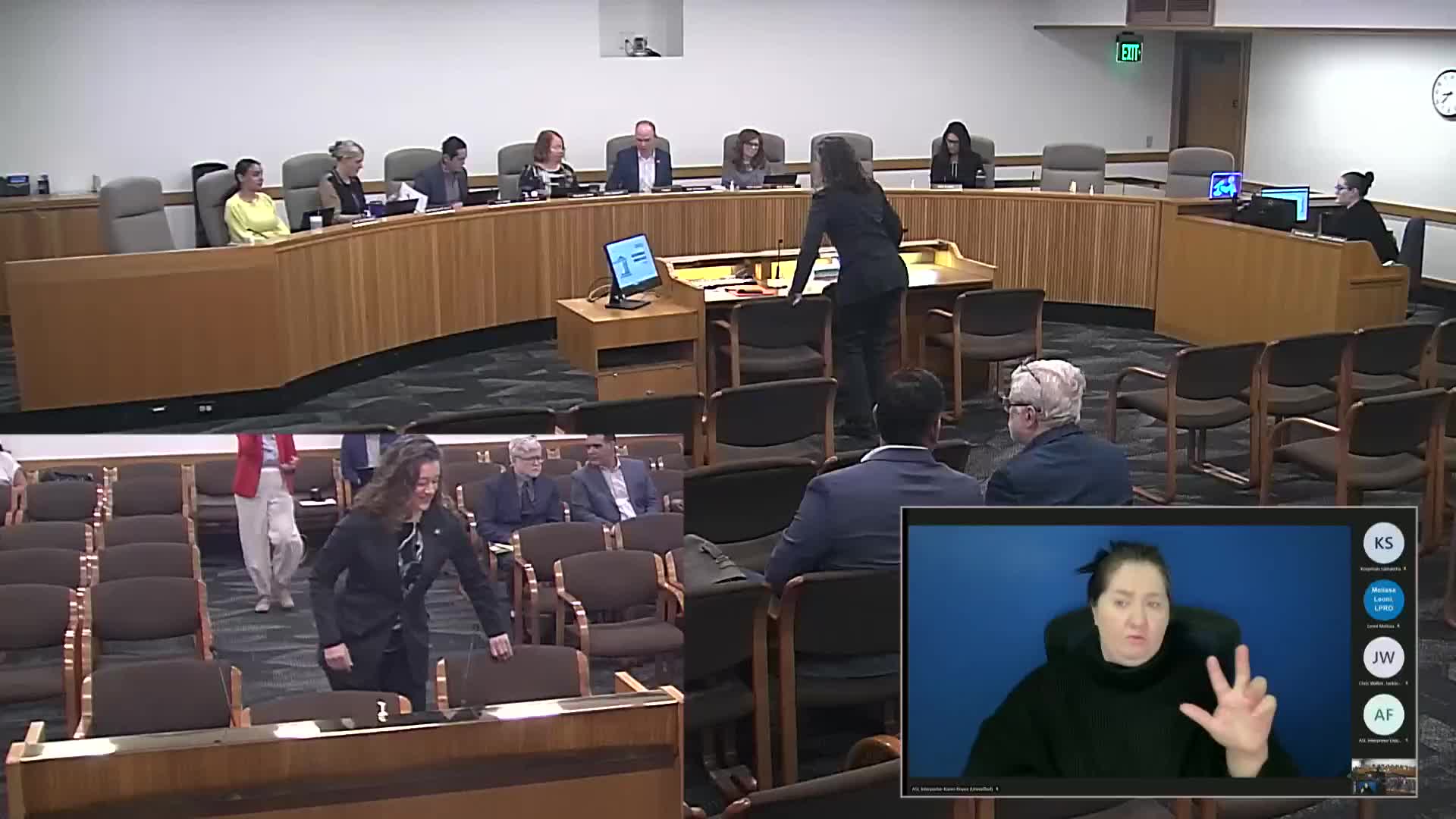
State Representative Dacia Graber introduced House Bill 3803 to the House Committee on Rules on March 31, 2025, describing it as a multi‑part governance package intended to improve accountability, transparency and strategic decision making in state government.
"I'm here to introduce House Bill 38 0 3, a good governance policy package," Graber told the committee, outlining five core concepts: enterprise strategic workforce planning led by the Department of Administrative Services (DAS), standardized reporting for direct appropriations to private nonprofit and nongovernmental entities, a legislative key performance measure (KPM) council, a small‑agency audit team within the Secretary of State's audits division, and standardized definitions for common agency functions.
Graber and DAS officials said the bill builds on prior Secretary of State audit recommendations and existing DAS work. Barry Leslie, director of the Department of Administrative Services, said the workforce pieces align with work DAS had begun and that codifying enterprise workforce planning would help sustain the effort across administrations. "When they work well, are really, really important," Leslie said, adding the department is "really pleased to support that."
The bill would require DAS to produce an enterprise strategic workforce plan every four years, and agencies would be asked to develop agency plans aligned to that enterprise strategy. Committee testimony framed the aims as improving recruitment, retention, succession planning, and more effective deployment of permanent staff rather than reducing pay or imposing layoffs.
On reporting, the bill would require recipients of direct legislative appropriations to submit a lightweight report every two years describing broadly how those funds were spent, with DAS making aggregated, privacy‑filtered data available on the state transparency website for legislative budget makers and auditors. Graber said DAS would create rules to avoid duplicative reporting.
The bill also would convene a legislative KPM council every four years to align legislative performance measures with agency KPMs and to recommend how legislative offices engage with KPMs earlier in the policy process.
Section 15 (as discussed in testimony) would create a small‑agency audit team to focus on entities with fewer than 75 employees or entities not audited in more than 10 years. Ricardo Lujan Valerio of the Secretary of State's office said the audits division supports that concept and would integrate the work into its risk‑based audit planning, with fee assessments used to cover costs as is current practice.
Labor and state employee groups endorsed the bill's workforce planning provisions. Lamar Wise, political director for Oregon AFSCME, said the bill would include worker voices and help retain experienced staff and recruit future public servants.
Graber noted a dash‑1 amendment that exempts constitutionally independent offices from the DAS workforce planning requirement, aligns workforce plan timing to the second year of the governor's term, ensures labor input, and changes proposed task forces to directives or councils. Committee members asked about separation‑of‑powers concerns; Graber said the bill was reviewed with the governor's staff and other nonpartisan offices, and the dash‑1 amendment was intended to address constitutional concerns.
No final committee vote on House Bill 3803 occurred at this meeting; the committee held the public hearing and moved on to work sessions.
Ending: Representative Graber said she welcomes feedback and collaboration; the committee closed the public hearing and will consider amendments and next steps in subsequent committee work.