Get Full Government Meeting Transcripts, Videos, & Alerts Forever!
Get email alerts on the Election Law topic
No spam. Unsubscribe anytime.
Bill would raise Oregon major‑party threshold from 5% to 10% as Independent Party grows
Summary
Supporters of House Bill 3908 from the Independent Party of Oregon told the House Rules Committee the change would give the party more time to adapt to major‑party rules; county clerks warned adding a major party can create extra counting work and administrative costs. The Secretary of State said it will convene an interim work group.
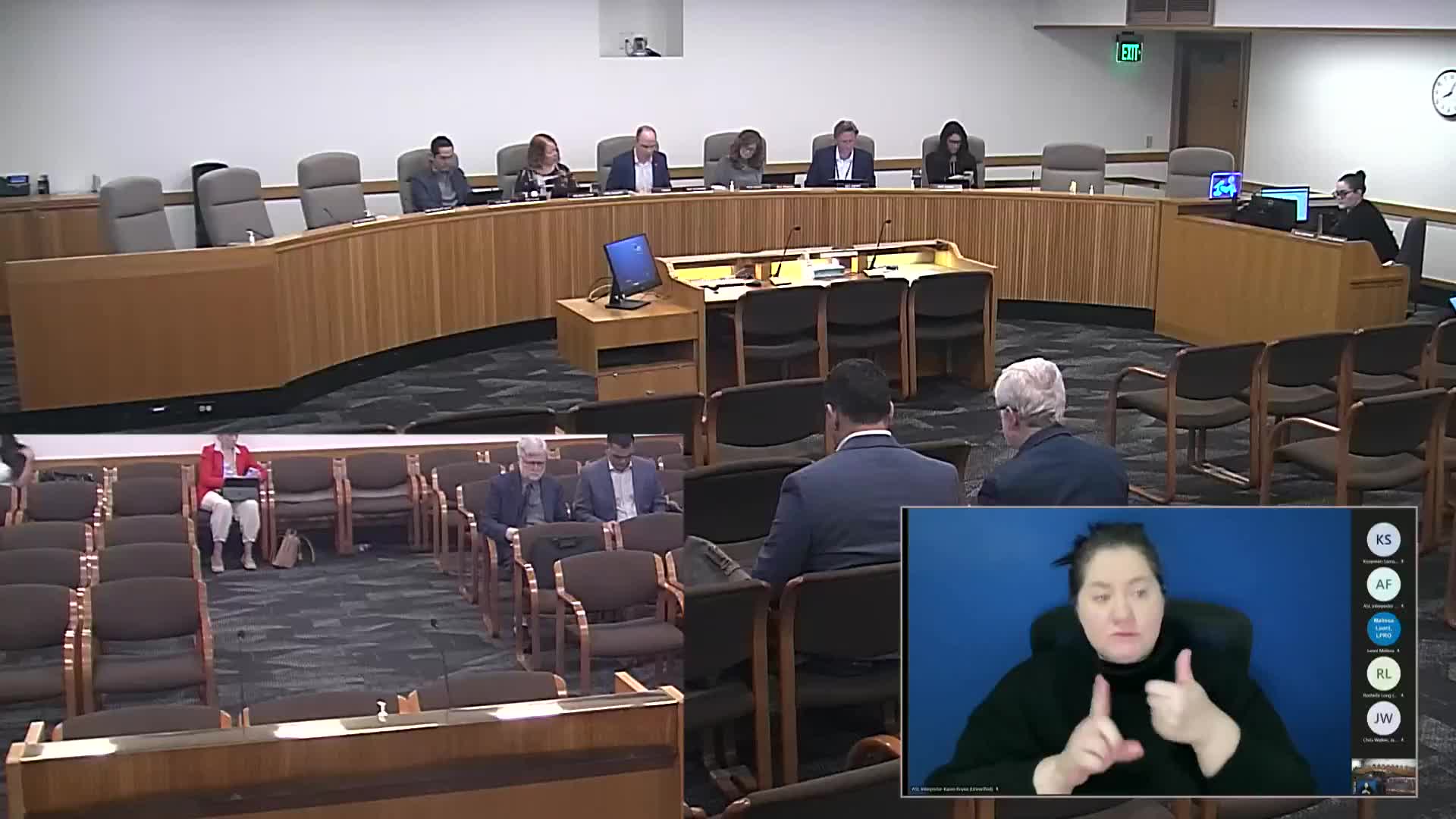
Chair Bowman opened a public hearing March 31 before the House Committee on Rules on House Bill 3908, which would raise Oregon's threshold for being designated a major political party from 5 percent to 10 percent of registered voters.
The proposal was presented by Sal Peralta, secretary of the Independent Party of Oregon, and Dan Meek, a party member who does legal work for the party. "This is probably the shortest bill you'll ever encounter as a legislator," Peralta told the committee, summarizing that the bill "raises the threshold for major party status from 5% to 10% of registered voters." Meek described operational problems the Independent Party faces under current law and said the party is on the verge of being treated as a major party under the existing 5 percent rule.
The Independent Party leaders told the committee that, as of March 2025, the party had about 153,000 registered members (roughly 5.04 percent of Oregon registrants under the figures they gave), and that the statutory measurement for party status occurs on the 270th day before the primary (the next measurement cited was Aug. 17, 2025). They said major‑party designation triggers rules that have hindered the party's ability to run or nominate candidates, notably a 250‑day membership requirement for candidates seeking to run in a major‑party primary and a write‑in winner rule that has allowed nonparty candidates to prevail in primaries in prior cycles.
Rochelle Long, speaking for the Association of County Clerks (testimony identified as neutral), told the committee that adding a major party historically increases complexity, time and cost for county election offices. "When there is an added party, which was in 2018, . . . that added time and cost to go back and count write ins even though there were candidates on the ballot," Long said, describing confusion among voters and the extra counting workload counties experienced in prior cycles.
Ricardo Lujan Valerio, deputy chief of staff for government relations at the Secretary of State's office, told the committee the office plans to convene an interim work group on these issues. "We have indicated that we will be conducting an interim work group to address a lot of the topics that were discussed today," he said, and he warned that adding any party to the funded process would have administrative and fiscal implications for state and county election operations.
Committee members asked whether lowering the threshold might be preferable, how often the Independent Party actually fields its own candidates versus cross‑nominating major‑party nominees, and whether the change would be fair to other minor parties. Peralta and Meek said their intent is not to permanently prevent the party from ever becoming a major party, but to provide a longer runway to review and reform statutes that apply differently to smaller or emerging parties. Meek recounted that the Independent Party has alternated between major and minor status in recent cycles and said that status changes have produced operational difficulties in prior elections.
No formal legislative action or vote on House Bill 3908 occurred during the committee meeting; the committee held the public hearing and closed it later in the session.
Ending: The committee closed the public hearing and moved on to other agenda items. The Secretary of State's office said it will invite stakeholders, including committee members, to participate in the planned interim work group and will provide further information on potential cost implications.