Get Full Government Meeting Transcripts, Videos, & Alerts Forever!
Get email alerts on the Special Education Procedures topic
No spam. Unsubscribe anytime.
Committee hears three technical bills clarifying rules on abbreviated school days
Summary
Senate Bills 735, 742 and 745 — narrow technical fixes to existing law on abbreviated school days — received supportive testimony from educators and charter-school groups in public hearings; all three bills were presented without opposition and no committee votes were taken on March 31.
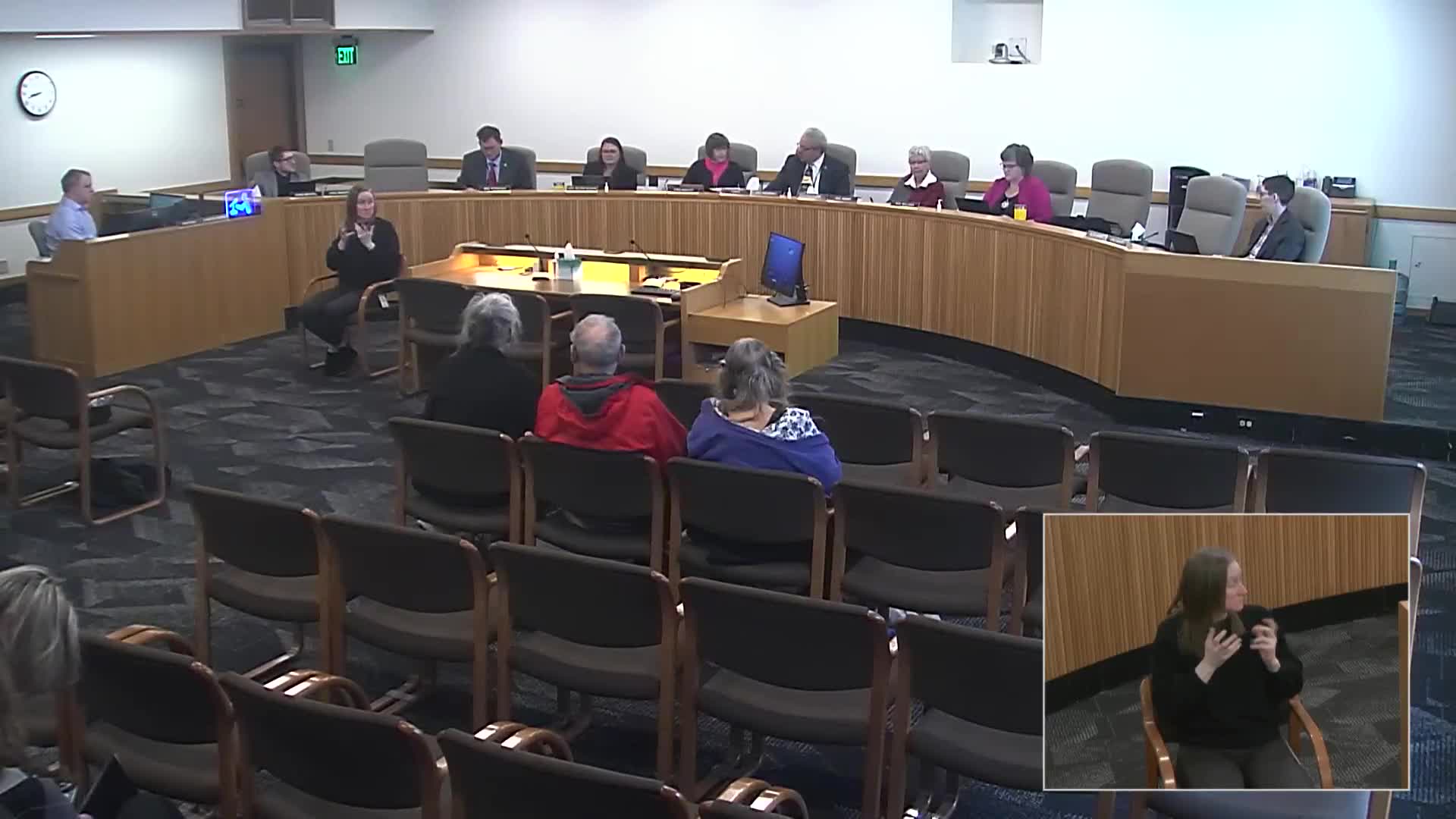
The Senate Education Committee held public hearings March 31 on three related bills (Senate Bills 735, 742 and 745) that make technical clarifications to statutory provisions governing abbreviated school days.
Senate Bill 735 would exclude voluntarily enrolled students in public charter schools from certain statutory provisions regulating abbreviated school days when the charter school meets at least 95% of the total hours provided to other students in the district and the charter is not designed to serve students with challenging behavior or complex medical needs. Senator Sarah Gelser Bluhin described the change as a narrow technical fix to avoid creating extra paperwork for charter schools that operate on longer school years with slightly shorter days.
Senate Bill 742 would allow parents or foster parents to consent to follow-up meetings by telephone or online, and permit remote meetings during public-health emergencies. Senator Gelser Blue said the change would reduce scheduling burdens and make it easier for parents to participate in required follow-ups without affecting the substantive protections intended by the law.
Senate Bill 745 would allow annual review meetings for certain terminally ill students, reducing the frequency of required check-ins for families experiencing severe health crises. Supporters described the bill as a narrow, compassionate adjustment.
Witnesses from the Oregon Education Association (Cynthia Branger Munoz) and the Oregon Coalition of Community Charter Schools (Iris Maria Chavez) testified in favor of the bills, calling them technical clarifications that preserve protections for students with disabilities while easing administrative burdens. Committee members and advocates described the measures as “non-controversial” technical fixes; no votes were taken on the bills during the March 31 hearings and the public hearings were closed.