Get Full Government Meeting Transcripts, Videos, & Alerts Forever!
Get email alerts on the Summer Learning topic
No spam. Unsubscribe anytime.
Senate committee hears informational presentation on House Bill 2007 to stabilize summer learning funding
Summary
House Bill 2007, a proposal to create a sustainable funding mechanism for summer learning programs and expand eligible partners and priorities, was the subject of an informational hearing featuring sponsors, House members and Oregon Department of Education staff. No committee action was taken; the bill was discussed and the hearing closed.
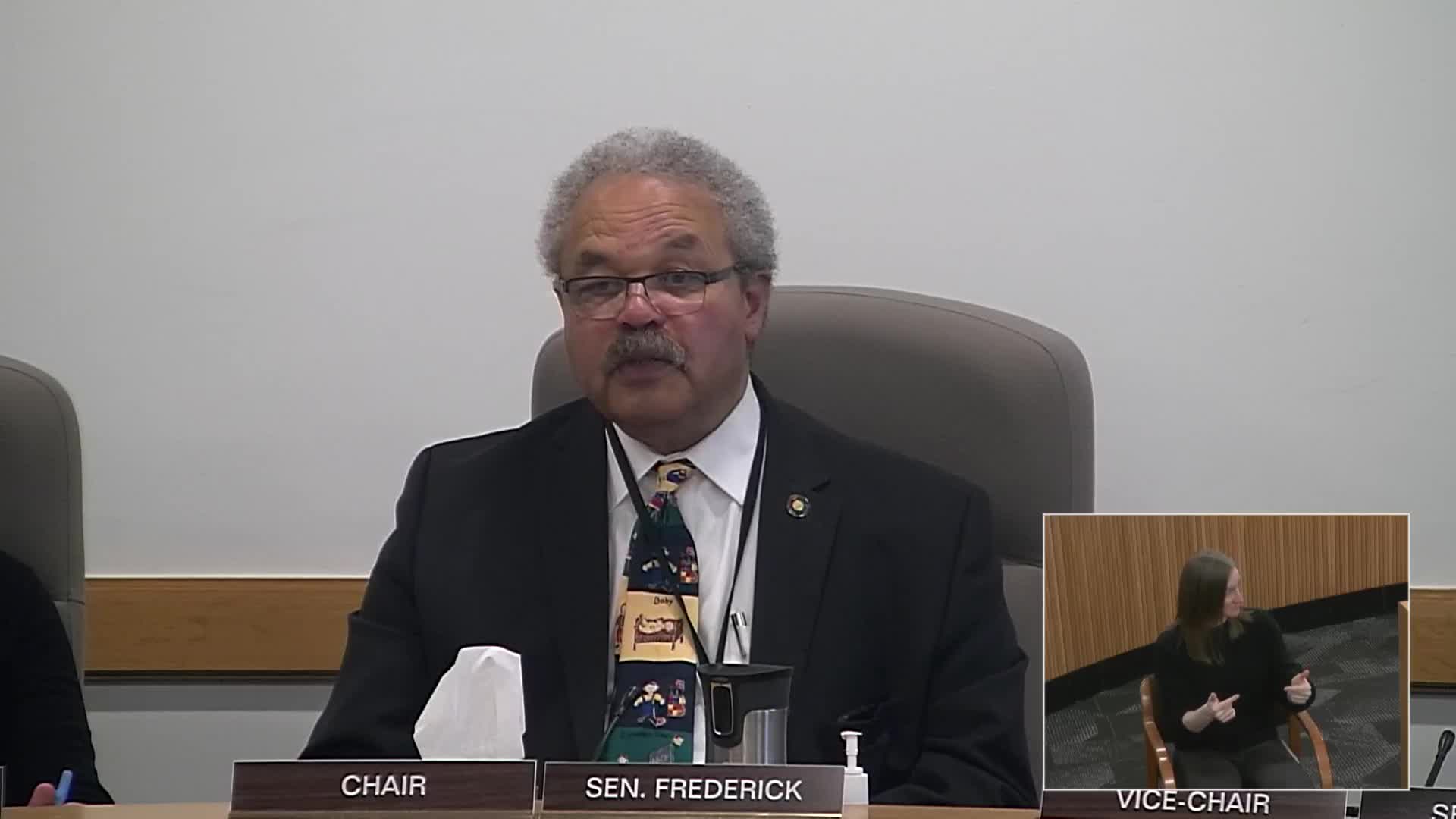
The Senate Education Committee held an informational hearing March 31 on House Bill 2007, a bill to provide sustainable funding and programmatic guidance for summer learning programs serving incoming kindergarten through outgoing 12th-grade students. The session included testimony from co-sponsor Senator Janine Solman, Representative Ricky Ruiz, Oregon Department of Education officials and other supporters.
Senator Janine Solman (Senate District 15) framed the bill as a response to districts’ requests for predictable, ongoing funding and described its focus on evidence-based literacy, mathematics, science and enrichment programs. Solman said the bill expands eligible program partners to include nonprofits, institutions of higher education and public charter schools; eliminates certain matching requirements; and caps administrative costs for grants at 10% (5% if an eligible partner fully administers a program), excluding transportation costs.
Representative Ricky Ruiz emphasized the urgency of addressing the “summer slide” and said the bill helps keep students safe and engaged over the summer months. Oregon Department of Education staff — including Teneal Weatherall, chief of staff, and Raquel Gwynn, Assistant Director of Expanded Learning — presented program history and data showing prior investments and participation. Gwynn told the committee that federal ESSER relief funding drove a large expansion in 2021, that earlier state investments reached more than 100,000 learners in 2021, and that House Bill 40-82 in 2024 had provided a $30 million consolidated grant with new guardrails and reporting; HB 2007 would aim to stabilize funding and allow multi-year planning.
Committee members praised the shift from deficit-oriented remediation to enrichment-focused, research-based program design and acknowledged the need for more lead time for districts to plan once funding is confirmed. The hearing was informational; no vote was taken. The committee closed the hearing and later resumed other agenda items.