Get Full Government Meeting Transcripts, Videos, & Alerts Forever!
Get email alerts on the Homelessness And Nonprofit Services topic
No spam. Unsubscribe anytime.
Wilmington residents, ministers press council as leaders consider tougher public‑order ordinances
Summary
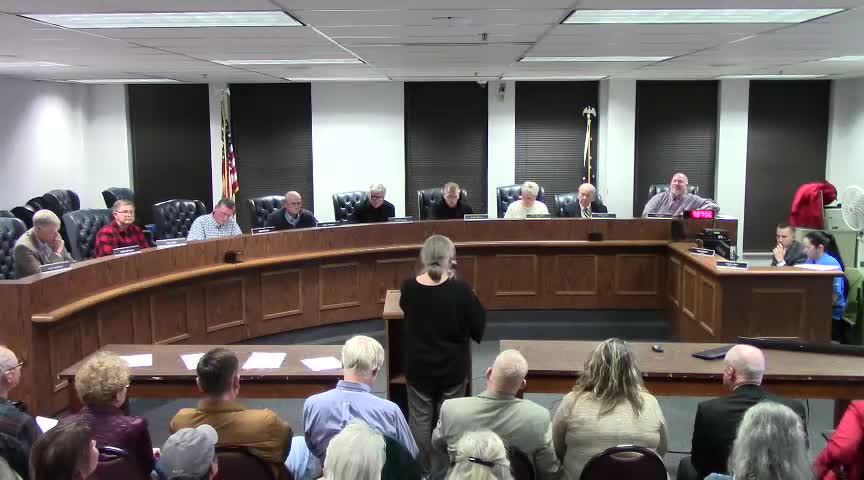
Dozens of residents and faith leaders urged Wilmington City Council to protect local shelters and avoid laws that would criminalize people experiencing homelessness, while the mayor and city attorneys said proposed public‑order ordinances aim to give police clearer tools to address illegal activity.
Dozens of residents and faith leaders urged Wilmington City Council to protect local shelters and avoid laws that would criminalize people experiencing homelessness, while the mayor and city attorneys said proposed public‑order ordinances aim to give police clearer tools to address illegal activity.
Reverend Elaine Silverstrom, a retired Episcopal priest and Wilmington resident, told the council she was “deeply concerned” about a proposed public‑code change and said existing responses by the Wilmington Police Department had been “admirably, superbly” handled in individual cases. “We have human beings who are real people, who are deserving of our compassion,” Silverstrom said.
The comment period included extended testimony from residents who volunteer at or support Sugar Tree Ministries, Hope House and Our Father’s Kitchen. Nancy McCormick described years of volunteer meal service at Sugar Tree; Mary (who identified herself as a hostess at Hope House) recounted the case of “Lisa,” a guest with stage‑4 breast cancer who she said stayed at Hope House before dying in March 2024. Lea Lorenz, board president of the Homeless Coalition, urged the city not to “shut down Sugar Tree” and called for more coordinated crisis response and treatment rather than facility closures.
Other speakers raised concerns that proposed measures—some of which would raise penalties for trespass, squatting and failure to disperse—could disproportionately punish people who are poor or mentally ill. Kelsey Swindler, a member of the Religious Society of Friends, said “changing the level of a misdemeanor does not solve a housing crisis.” Laura Struve, who identified herself as an advocate for religious‑freedom and First Amendment rights, said government action that limits how religious nonprofits serve people would be “horrifying.”
Mayor Pat Haley defended the city’s intent as focused on crime and “quality of life,” not on closing charities. Haley said the administration distinguishes between people “down on their luck” and those committing criminal acts and repeatedly said the city is not targeting legitimate charity programs. “What we’re against is illegal activity,” he said.
Service Director Mike Crow and Law Director Justin Dinkum joined the discussion. Crow told council members the city is trying to avoid “enabling” conduct that he said can perpetuate harm, and he described the city’s desire for clear ordinances to give police tools to address events that create safety risks. Dinkum clarified penalties for trespass in council chamber remarks and said some offenses under discussion can carry misdemeanor fines and potential jail time under Ohio law as currently drafted.
Council members and the judiciary committee debated several related ordinances. The committee gave first reading to ordinance 25‑08 (regulating electric scooters downtown) and scheduled a second reading; discussion continued around ordinance 25‑11, which would raise the penalty for repeated failure to disperse and change penalties where gatherings create a likelihood of physical harm. Committee members said they would refine language and consult counsel further before voting.
Speakers on both sides asked for more data. Councilmember Justin (Clerk Vance) and others asked whether homelessness and crime are increasing and whether calls originate from local residents or visitors; some council members suggested the police department could provide further incident data to help shape policy.
The council did not adopt new public‑order measures at the meeting. Several related ordinances remain under committee review; committee members asked staff to return with clarified language, legal advice and training plans for police should the ordinances advance.
Looking ahead, residents and ministers urged the council to pair enforcement with expanded housing and addiction‑treatment options, while city leaders said they would pursue legal clarifications and training for officers if the ordinances move forward.