Get Full Government Meeting Transcripts, Videos, & Alerts Forever!
Get email alerts on the Health Digital Literacy topic
No spam. Unsubscribe anytime.
Medical-student group pitches digital rural health navigators to Wilmington officials
Summary
A medical student representing a national student association described a digital rural health navigator project that trains students to help residents use online health tools; the presenter sought local sites and partnerships for deployments.
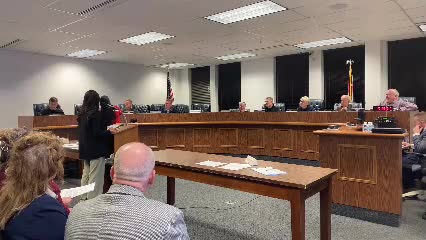
A medical student identified as Jacerina addressed the council to describe a digital rural health project run in partnership with a national medical student association and the Ohio Rural Health Association aimed at training students as "digital health navigators."
Jacerina said the project trains medical and pre-medical students to help community members with digital health literacy tasks such as using patient portals (for example, MyChart) and locating reputable online health information. She said about 20 students have been trained and that the project is piloting deployments in several Ohio counties, including Clinton County, with plans to expand to additional communities.
For deployment, the presenter said students have set up at public locations such as a Kroger store and at a library, where they helped patrons with email, accessing medical portals and other basic digital tasks. The next phase, she said, is to train local community members and library staff so services can be sustained locally. She asked councilmembers and staff for suggestions on community locations and events where students could provide assistance and left contact information on a flyer.
Councilmembers asked practical questions about where the students would operate and whether home visits would be part of the plan; the presenter said work is currently done in public settings and that home visits are not part of the deployment phase described in the workshop. Councilmembers also asked about target age groups; the presenter said elderly residents disproportionately need help but that people of all ages sometimes require assistance.
The presentation was informational; councilmembers did not take formal action during the workshop but expressed receptiveness to helping identify deployment sites.