Get Full Government Meeting Transcripts, Videos, & Alerts Forever!
Get email alerts on the Police Fleet Staffing topic
No spam. Unsubscribe anytime.
Police fleet and staffing top capital debate as council weighs leasing vs. pay-go options
Summary
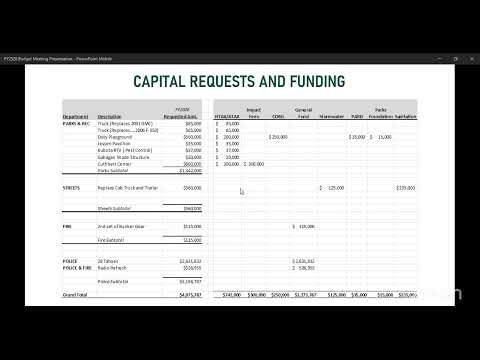
Police officials and staff discussed an urgent need to replace high-mileage patrol vehicles and presented leasing and pay-go options; staff warned an aggressive leasing commitment could create ongoing obligations while a pay-go plan would require large up-front capital and continued replacement requests across future budgets.
Police leaders told the council the town’s vehicle fleet has a concentration of high-mileage units and that replacing patrol cars is a near-term capital need. Staff presented two main paths: an enterprise-style lease program that would cycle vehicles on a schedule or a pay-go approach that funds replacements from capital appropriations.
Police representatives said about 62 vehicles had 75,000 miles or more, with a subset exceeding 100,000 miles, and that recent crash losses and maintenance had increased replacement need. The police presenter and staff discussed a possible lease through a vendor that would spread replacements over multiple years; staff cautioned that leases create a recurring annual obligation and could obligate the town to fund a set number of vehicles each year regardless of future revenue conditions.
“Getting into that lease … obligates you to funding those that number of vehicles every year regardless of your fiscal position,” a staff member said, noting concern about economic uncertainty. Enterprise-style proposals estimated multi-year fleet cycling and suggested annual outlays that might approach a seven-figure level depending on scope.
Staff described pay-go as a viable alternative (pay cash up front or finance through a bank placement) but noted that it would require large capital outlays in the near term and would likely generate replacement requests in subsequent budgets. Staff also outlined salvage and resale expectations for retired vehicles and noted that specialized apparatus (fire engines, ladder trucks) have longer lead times and are handled on a separate capital schedule.
On staffing, police and fire leaders reiterated recruitment and retention challenges. The police department requested incentive pay proposals and additional community-service officers; staff said the FY25 draft included funding for a set of new positions but that some hires could be postponed to January to ease the fiscal impact. Council asked for a costed scenario that delayed personnel until the next fiscal year and for a lifecycle/dashboards showing fleet age and maintenance costs to better judge replacement timing.