Get Full Government Meeting Transcripts, Videos, & Alerts Forever!
Get email alerts on the Budget Public Works topic
No spam. Unsubscribe anytime.
Detroit Department of Public Works proposes $172 million FY2026 budget, adds 22 positions
Summary
DPW told the City Council it is proposing a $172 million budget for fiscal year 2026, increases staffing by 22 positions and directs most new spending to street and solid-waste programs while keeping the general fund allocation essentially level.
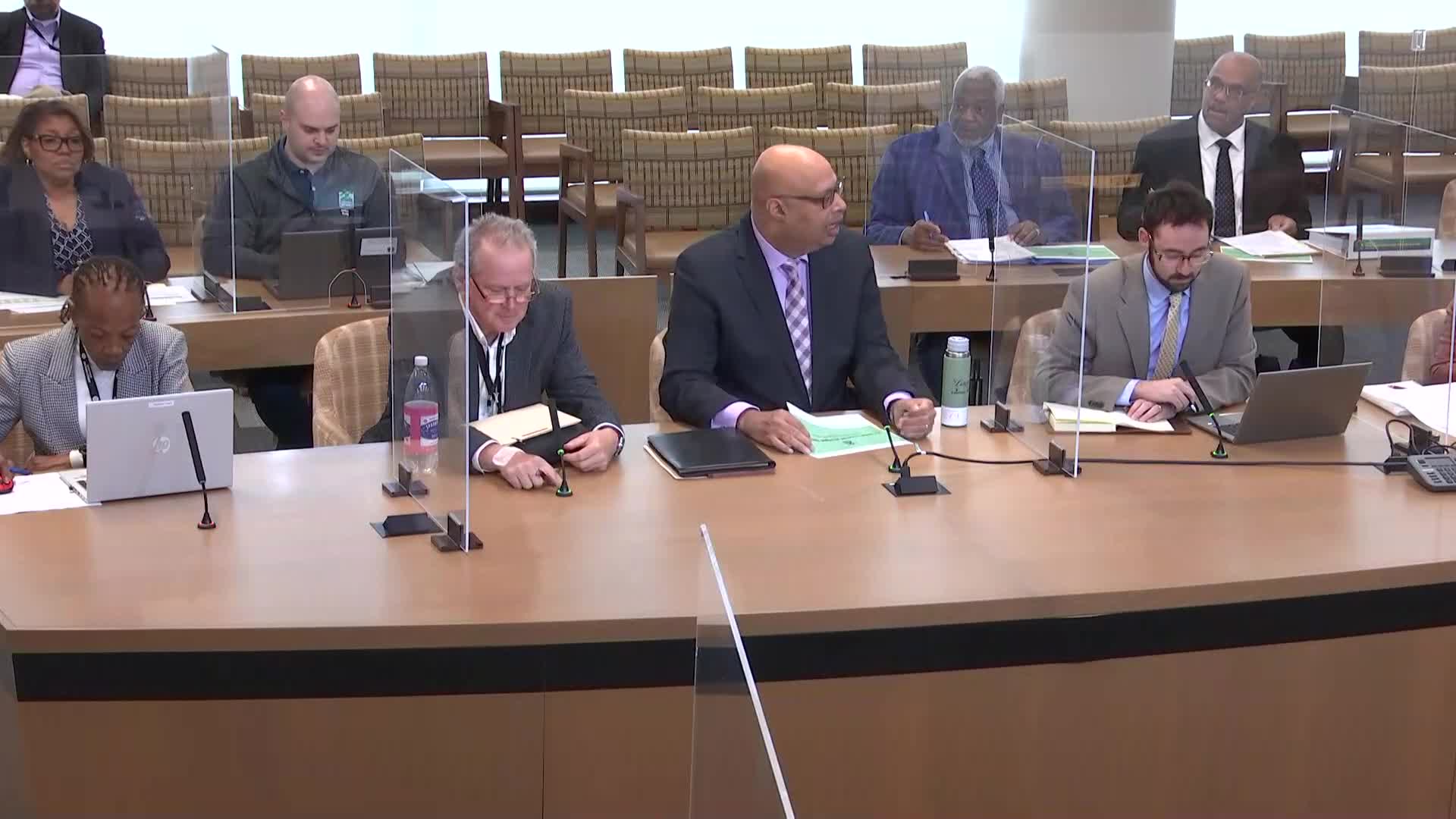
The Detroit Department of Public Works proposed a $172,000,000 budget for fiscal year 2026 during a City Council budget hearing, an increase of roughly $12,000,000 over the current approved budget.
DPW officials told council members the request is split across three primary funding sources: the street fund, the solid-waste fund and the general fund. The department plans to add 22 positions, raising proposed staffing from about 500 to 522, and reported 72 current vacancies — roughly half of which the department expects to fill with seasonal hires in the next few weeks.
Why it matters: the street and solid-waste operations are the most heavily funded components of DPW and pay for core services residents see daily — paving, pothole repairs, traffic signals, trash collection and sidewalk repair. The proposed increases aim to preserve service levels, cover inflation-driven contract costs and provide local match funding for transportation grants.
Key budget details provided by DPW: - Total DPW request: $172,000,000 (about $12,000,000 above the current $160,000,000 budget). - Street fund: $94,000,000 budgeted for DPW operations this year; the department said the total street-fund budget is about $109,000,000 when other allocations are included. The street fund increase is approximately $3,800,000 over the current year and includes $21,300,000 in capital funding. - General fund: DPW’s general-fund allocation remains essentially unchanged at about $3,450,000–$3,500,000 and covers administration and right-of-way permitting; DPW expects roughly $5,000,000 in right-of-way permit revenues to offset that expense. - Solid-waste fund: proposed at $71,300,000, about an $8,000,000 increase from the current year. DPW noted a planned general-fund contribution of $17,000,000 is needed to balance the solid-waste fund for FY26. - Metro fund: DPW estimates $3,100,000 in revenues used mainly to repair tree‑damaged sidewalks; that funding was described as sufficient to replace about 10,000 sidewalk flags citywide this season. - Equipment and capital: the budget includes $5,600,000 for vehicle and equipment replacement (about $3,000,000 for solid-waste gear and $2,600,000 for eligible street equipment). DPW said $8,700,000 of capital funds are committed as local matches for state and federal transportation grants. - Debt service: the street fund accounts for an annual debt requirement of $13,500,000 tied to prior road bonds.
Staffing and recruitment: DPW reported 72 open positions, with 37 expected to be filled shortly because they are seasonal hires tied to construction and street‑sweeping programs. The department said 11 open engineering positions remain a persistent challenge; DPW is expanding internship and recruiting efforts with local universities including Wayne State University and the University of Michigan–Dearborn to strengthen the hiring pipeline.
Services overview: DPW described routine and capital street maintenance work funded by the street fund — repaving, pothole repair, sidewalk repair, snow and ice removal, bridge maintenance and maintenance of traffic signals and signs — and said a portion of street funds (roughly $14–$15 million) is distributed to the General Services Department for tree, forestry and median maintenance.
Council members asked for follow-up details on staffing costs, the schedule for hiring seasonal and full‑time positions, and additional breakdowns of capital projects. DPW committed to providing those clarifications in writing.
Ending: DPW staff stayed through a lengthy Q&A covering staffing, recruiting, equipment needs and coordination with other city departments; council members made several follow‑up requests and moved multiple items into executive session for further review.