Get Full Government Meeting Transcripts, Videos, & Alerts Forever!
Get email alerts on the Land Use Cannabis topic
No spam. Unsubscribe anytime.
Council directs planning commission to review draft cannabis ordinances; buffers, hours and cultivation zones remain open
Summary
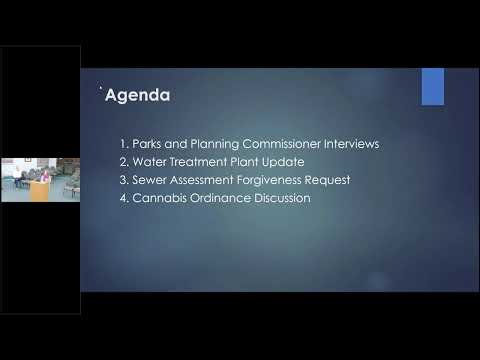
The Minnetrista City Council on Jan. 22 reviewed draft ordinances to regulate cannabis businesses and directed staff and the planning commission to continue the code-writing process and hold a public hearing.
The Minnetrista City Council on Jan. 22 reviewed draft ordinances to regulate cannabis businesses and directed staff and the planning commission to continue the code-writing process and hold a public hearing.
City legal counsel Joe summarized two related ordinance tracks: (1) zoning rules that identify where various cannabis business types can operate, and (2) an administrative registration ordinance that governs city-level permitting and enforcement once the state issues licenses. Joe explained the sequencing: applicants obtain a state license and then seek city zoning verification; retailers also must register with the city after state licensure.
Why it matters: the council must decide local limits even though the state issues primary licenses. Among the unresolved policy choices discussed were where to permit cultivation (commercial districts versus agricultural parcels; one councilmember suggested an acreage floor such as 50 acres to limit cultivation siting), whether cultivation must be fully enclosed, and how to measure statutory buffers. The draft follows the statute’s maximum buffer allowances (for example, buffers measured from schools and other protected facilities), but Joe and staff noted implementation details — whether the buffer should be measured to a park’s property line or to a mapped park feature — could materially reduce the number of eligible parcels.
Additional points: the draft ordinance allows the city to limit the number of retail registrations (statutory mechanism: one registration per 12,500 residents) and to set registration fees and hours of operation. Staff said the statute provides substantial default hours (8 a.m. to 2 a.m.) but the city may opt for narrower hours (for example, 10 a.m. to 9 p.m.); police staff expressed a preference for shorter hours for easier enforcement. Joe also said the statutes allow temporary cannabis events; under state law such events may include on-site consumption unless the city specifically prohibits it, so the council must decide whether, and where, to allow those events. The current draft limits most cannabis uses to the industrial district except for retailers, which are handled separately in the draft.
Outcome and next steps: the council directed staff to forward the draft ordinances to the planning commission, which the city has scheduled for a public hearing at its Jan. 27 meeting at 7 p.m.; Councilmember Claudia Lacey said she would attend as the council liaison. The planning commission will review buffers, allowable zones, hours of operation, event rules and the registration/lottery mechanics and return a recommendation to the council for a future vote. No ordinance was adopted at the work session.
Ending: Staff will bring the planning commission’s recommendation back to the council for further direction; the draft contains multiple policy choices that the council must clarify before a final ordinance is adopted.