Sen. Kavanaugh backs shorter competency and commitment timelines in LB350
Summary
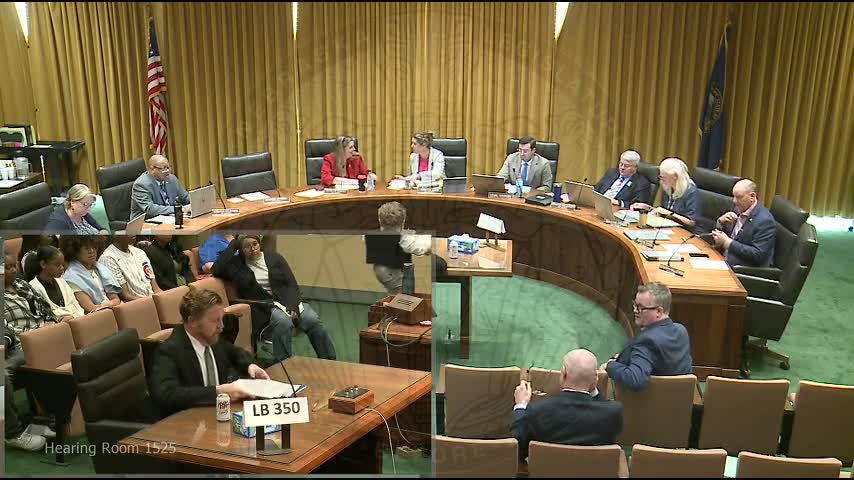
A Judiciary Committee hearing on LB350 focused on shrinking statutory deadlines for competency and commitment hearings to five days, prompted by backlog at regional mental health centers and long waits in county jails.
Senator John Kavanaugh of Omaha introduced LB350 on behalf of the Legislative Mental Health Care Capacity Strategic Planning Committee, asking the Judiciary Committee to shorten statutory deadlines for court hearings tied to competency and civil commitment.
Kavanaugh said the bill “reduces the time for a commitment hearing to 5 days after a report is filed, and similarly reduces the time for competency hearing to 5 days after an order is entered,” and that those deadlines were taken from consultant recommendations in the committee’s recent report.
The bill follows the planning committee’s work begun under LB921 and a consultant report distributed to the committee. Kavanaugh said the change is intended to “improve communication and try to reduce the opportunity for delay, which contributes to over extension of capacity.”
Defense and civil‑liberties advocates and public defenders acknowledged the backlog at the state’s regional centers but urged caution about whether five days is realistic. Spike Eichol, appearing for the Nebraska Criminal Defense Attorneys Association and the ACLU of Nebraska, told the committee the organization supported “section 1, the competency timeline,” and described long jail wait lists and regional center backlogs that earlier statutes tried to address.
Eichol said past legislative changes shortened some deadlines and that the state has seen improvements but “it’s still a problem. There’s still a waiting list issue.” Several senators asked whether operational or logistical changes — for example, allowing telehearings — should be considered alongside any statutory deadline changes. Kavanaugh said he was open to telehearings as an option but not as a required procedure.
Why it matters: Committee members and witnesses said quicker court processing could reduce the time people wait in county jails for restoration or evaluation, freeing limited regional center beds and reducing jail burdens. Opponents urged the committee to weigh realistic capability of evaluators and courts to produce reports within much shorter windows.
What’s next: The hearing record includes submitted proponent and opponent statements. The committee did not vote at the hearing; the bill remains before the Judiciary Committee for further review.