Get Full Government Meeting Transcripts, Videos, & Alerts Forever!
Get email alerts on the Riverside Pavilion Improvements topic
No spam. Unsubscribe anytime.
Council encumbers $500,000 in hotel-occupancy-tax funds for phased Riverside Pavilion upgrades
Summary
The council approved up to $500,000 from the hotel-occupancy-tax reserve to fund pedestrian-safety improvements and expanded water and electrical service at the Riverside Pavilion, and staff signaled plans to seek a state local bill to broaden HOT authority.
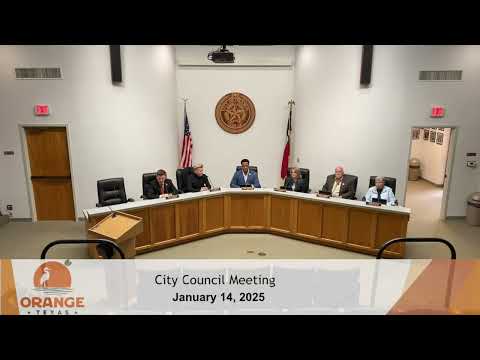
The Orange City Council on Jan. 14 encumbered up to $500,000 from the city’s hotel-occupancy-tax reserve to make phased improvements at Riverside Pavilion, a riverfront event site on Simmons Drive. Council and staff described the plan as a phased effort to improve pedestrian safety, expand electrical capacity for larger events and add water hookups to support vendors.
Why it matters: Staff said expanded power and water at the pavilion would allow larger sporting and entertainment events to run without generators, extend service hours, and increase lodging demand at local hotels — the statutory purpose for hotel-occupancy-tax (HOT) spending when events attract tourists.
What the funding covers City staff outlined three categories of work: a pedestrian safety zone and a primary pedestrian gate with a 10-foot ADA-accessible sidewalk (estimated about $60,000); expanded high-voltage electrical service to the boat-ramp area and 18 standard-voltage vendor hookups along Destroyer Drive (about $200,000); and expanded water services including 24-yard hydrants and a gray-water dump station (about $190,000). The total requested encumbrance was $500,000 to allow for change orders and contingencies.
Council and next steps Staff recommended approval. Councilmembers supported encumbering the funds and stressed a phased approach; staff said they will return with contract documents and a proposed local bill for the Texas Legislature to broaden allowable uses of HOT funds if necessary. A staff member explained there is a 30-day publication requirement and a local-bill filing deadline in March for state action.
Attribution and context City staff explained specific cost estimates and the scope of work; council discussion emphasized safety and the economic rationale tied to hotel occupancy. One staff presenter summarized the plan as intended to “enhance safety, increase event attendance, and utilize more of the open space” at the pavilion (Mr. Jay). Council members noted that past investments — including drainage work and demolition of dilapidated properties — helped make the riverfront suitable for large events.
What was not decided Council encumbered funds for the work but directed staff to return with specific contract documents and a resolution for any necessary local-bill filing. The timing for larger power and water projects will depend on procurement and possible legislative action.