Get Full Government Meeting Transcripts, Videos, & Alerts Forever!
Get email alerts on the Operation Lone Star topic
No spam. Unsubscribe anytime.
Officials say Operation Lone Star grants help law enforcement but raise workload questions
Summary
County officials and other participants discussed Operation Lone Star and related grants, saying they provide law enforcement resources and positions but also prompting questions about workload and effects on local prosecutions and courts.
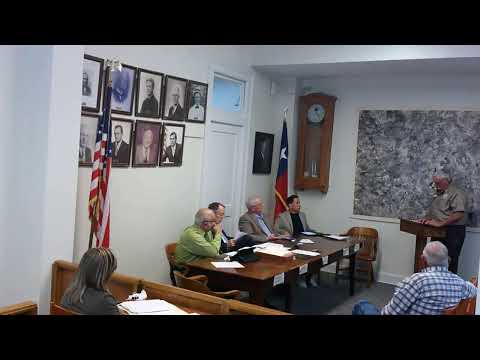
County officials and law-enforcement representatives discussed Operation Lone Star and related grants, saying the funds provide personnel and resources but do not replace local responsibility for prosecuting crimes.
A county official said the grants and programs help increase law-enforcement capacity and fund positions, adding that local offices would have to perform the work regardless of grant funding. “These grants also provide positions,” the official said, and the assistance “help focus on those and allow some of the staff to handle cases that don't fall under that venue.”
The discussion acknowledged concerns about effects on prosecution and court workload. One speaker asked whether focusing resources on border-related smuggling cases delays prosecution of crimes occurring in the county’s neighborhoods. County representatives responded that they run special dockets and separate calendars for smuggling-related offenses and maintain other dockets for assault, burglary and local crimes.
Officials also described ongoing coordination with federal prosecutors and law-enforcement partners. A participant said she had “a meeting last week with the AUSA,” and the discussion noted cooperation among the sheriff’s office, district clerk and district judge’s offices.
Speakers thanked the governor’s office for providing support for Operation Lone Star while stressing their offices continue to pursue all local cases regardless of grant-funded priorities.