Get Full Government Meeting Transcripts, Videos, & Alerts Forever!
Get email alerts on the Dei Higher Education topic
No spam. Unsubscribe anytime.
Senate committee advances bill restricting campus DEI offices and bias-reporting systems after extensive testimony
Summary
The Senate State Affairs Committee voted to send Senate Bill 11-98 to the floor with a due pass recommendation after several hours of testimony and debate on whether the measure protects free speech and academic freedom or unlawfully curtails campus programs and services.
The Senate State Affairs Committee voted to send Senate Bill 11-98 to the floor with a due pass recommendation after several hours of testimony and debate on whether the measure protects free speech and academic freedom or unlawfully curtails campus programs and services.
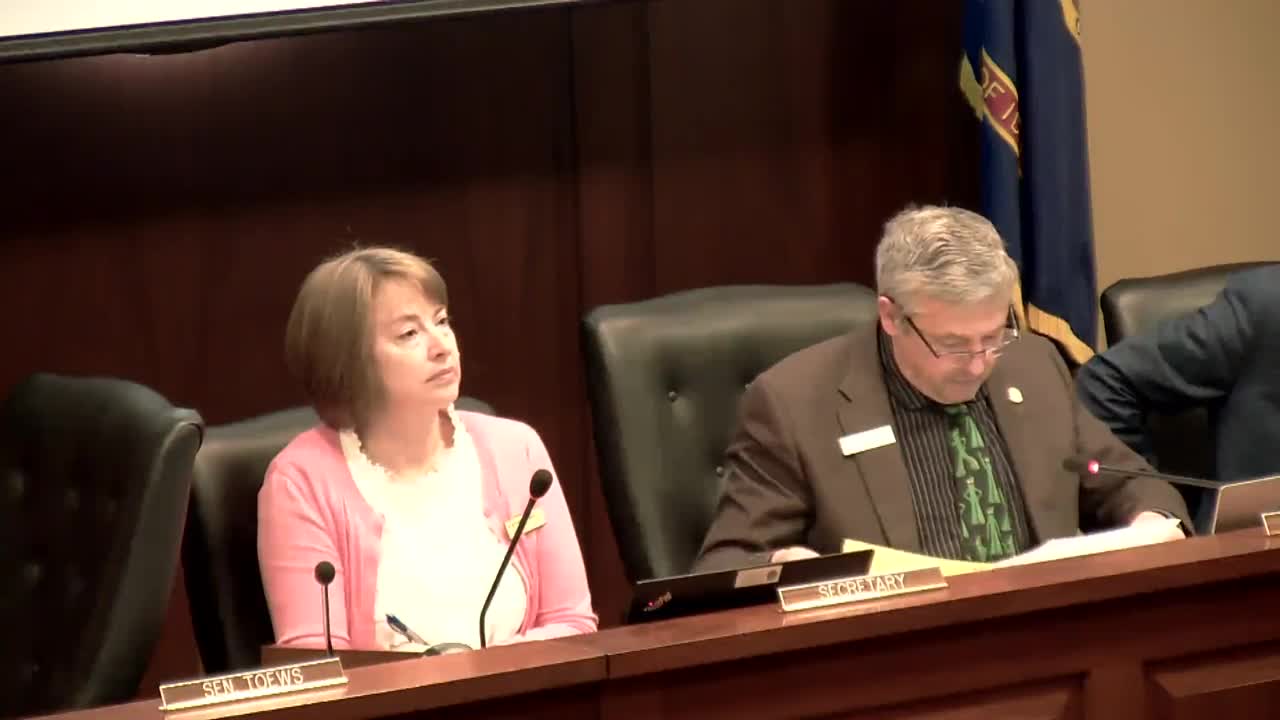
Senator Ben Toews, R., District 4, sponsored the bill and described it as designed to make Idaho’s institutions of higher education “places to seek truth and build relationships.” Toews told the committee the measure draws definitions and provisions from legislation enacted or proposed in other states and lists numerous prohibitions, including bans on preferential treatment in admissions and hiring tied to DEI, limits on offices that investigate or discipline students for protected speech, and prohibitions on requiring students to enroll in DEI-related courses unless part of a chosen degree program. Toews said the bill includes an enforcement process that allows staff or students to report violations, gives the attorney general an investigatory role and provides institutions a 30-day cure period before specified penalties may be applied.
The bill’s text, as presented to the committee, contains detailed definitions of terms such as “bias reporting system,” “diversity, equity, and inclusion office,” and “DEI-related course,” and identifies exemptions for academic research, creative works, Title IX and ADA-mandated training, and student organization activities.
Supporters and opponents gave prolonged testimony. The Idaho Freedom Foundation urged passage, calling for codified limits and enforcement measures. Supporters argued the bill would protect students from compelled ideology and preserve debate.
Opponents — including speakers from the American Association of University Women of Idaho, the National Organization for Women (NOW), veterans and other community members — argued the measure would roll back progress on equity, chill speech through threatened litigation, and impose heavy administrative and legal costs. Dr. Mary Mosley of AAUW-Idaho said the bill “is a blatant attempt to nullify all of the legislation passed since [the Civil Rights Act], which has given women the opportunity and the responsibility of full citizenship.” Janelle Wintersteen and others told the committee the bill’s broad terms and enforcement provisions would chill academic freedom and reduce campus services such as centers that provide support to veterans and survivors of assault.
Senator Ruckde voiced concern that the bill’s extensive definitions could create anxiety among campus employees and lead to overcorrection or unintended restrictions on ordinary campus activities. Chairman Guthrie said he appreciated sponsor negotiations but withheld his support, citing the bill’s definitions, legal ramifications and a two-year look-back provision that would require institutions to report prior practices as if the law had been in effect.
Senator Shippey moved and Senator Adams seconded that SB 11-98 be sent to the Senate floor with a due pass recommendation. The motion carried on a voice vote; Senators Ruckde and Chairman Guthrie were recorded as voting no.
The bill’s enforcement provisions provide injunctive relief for students and staff and, if violations remain after the cure period, permit reductions to the operating budget of the offending unit rather than awarding monetary damages to private parties, according to the sponsor. The bill requires annual reporting to the Education committees and the attorney general’s office.
Proponents said the bill is intended to be corrective and narrowly tailored; opponents said the definitions are too broad and the measure could trigger litigation and reduce services for students. The committee’s action sends the bill to the full Senate for further consideration.