Get Full Government Meeting Transcripts, Videos, & Alerts Forever!
Get email alerts on the Adoption System Reform topic
No spam. Unsubscribe anytime.
Committee hears broad adoption-overhaul proposal amid concerns about cost, duplication and scope
Summary
Representative Phil Amato presented House Bill 1579, a three-part plan to coordinate services for expectant parents, enable voluntary video contact between birth and adoptive parents, and lower adoption costs; committee members and witnesses raised immediate concerns about cost and duplication of services.
Representative Phil Amato presented House Bill 1579, a wide-ranging proposal the sponsor described as a three-part effort to (1) ensure expectant mothers can access existing services, (2) offer prospective birth parents the option to meet potential adoptive families using modern technology, and (3) reduce the cost and delay of adoption by providing coordinated supports.
Amato said his office drafted the proposal after conversations with adoption attorneys and a constituent who faced steep adoption costs. He described voluntary options in the bill, including the choice for a birth parent to initiate video contact with a prospective adoptive family. “If they wanted to, we wanted to give them the availability to be able to do FaceTime with the potential adoptive mom and talk to her,” Amato said.
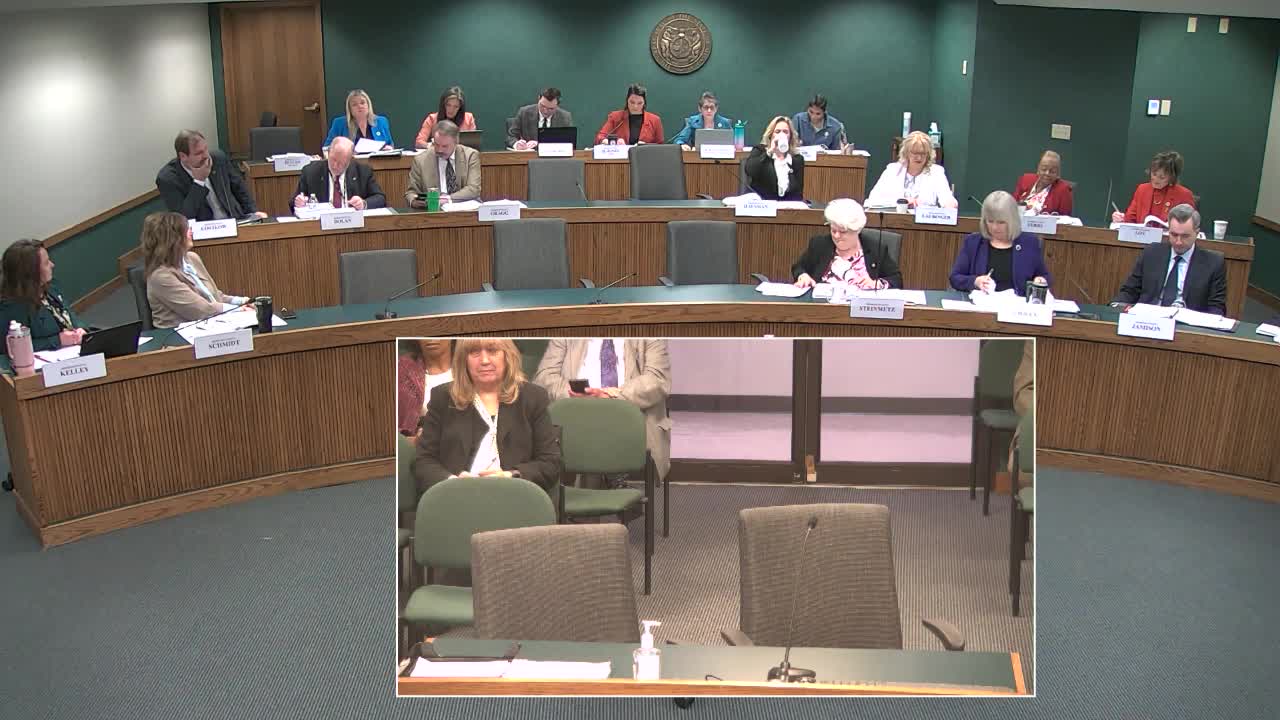
Committee members pressed on the bill’s scope and the fiscal implications. Representative Pradley, Representative Grama and others raised questions about whether the proposal duplicates existing services or would require hiring dozens or hundreds of state staff. Committee witnesses — including Department of Social Services representatives who provided a fiscal estimate — said the bill could require substantial new staff and contracts. Committee members cited a fiscal note the department provided, and some members read a $40,000,000 estimate aloud as a point of concern.
Opposition testimony stressed duplication and constitutional concerns. Arnie C. A. C. Dino, State Public Advocate, called the bill “recreating the wheel,” pointing to existing programs and private providers that already coordinate adoption services. Sarah Schlemer of the American College of Obstetricians and Gynecologists asked the committee to clarify language that would allow agencies to identify “expectant mothers identified to be at risk for seeking abortion,” warning that wording could interfere with the patient–provider relationship.
Campaign Life Missouri’s Samuel Lee raised a separate concern at the hearing’s end: that contracts with pregnancy resource centers, maternity homes or other partners could have the effect of directing those agencies to screen clients for adoption candidacy, which he said many community partners would not welcome.
A witness speaking for the bill argued it would not replace private adoption agencies and that the measure is intended to complement existing services, not supplant them; supporters said the current private market can be prohibitively expensive for some prospective adoptive parents. But several committee members — including Representatives Prouty, Gregg and Pradley — voiced skepticism about creating what they characterized as a new state apparatus to perform tasks already handled by other agencies and private providers.
No committee vote was taken. Members asked the sponsor to consider amendments and to work with the Department of Social Services and other stakeholders to narrow scope, address fiscal concerns, and avoid duplication with existing programs such as the Alternative to Abortion program.
The public hearing concluded with committee members and witnesses agreeing that some parts of the problem — improving parents’ access to services and reducing barriers to adoption — merit further work, but there was not consensus on the governance model the bill proposed.