Get Full Government Meeting Transcripts, Videos, & Alerts Forever!
Get email alerts on the Crematory Siting topic
No spam. Unsubscribe anytime.
Assembly approves tighter local limits on new crematory construction after heated debate
Summary
The Assembly passed A-5275, which adds a 1,000-foot setback requirement from homes, schools and playgrounds for new crematories and tightens local restrictions. Supporters said the measure protects neighborhoods; opponents argued it effectively bans new crematories and overrides local zoning processes.
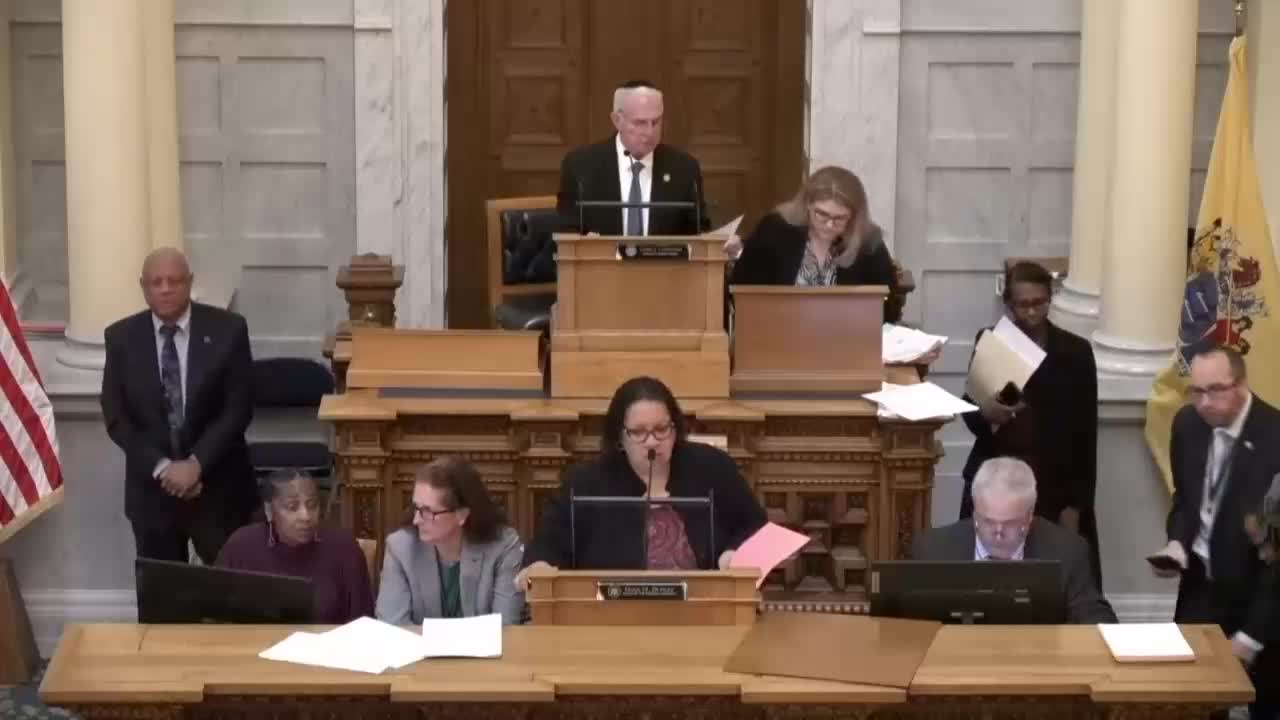
The New Jersey General Assembly on March 17, 2025 approved A-5275, a bill that imposes new local restrictions on the construction of new crematories and establishes a 1,000-foot setback from homes, schools, playgrounds and other specified uses. The measure passed on a recorded floor vote, 51–21.
Why it matters: Sponsors said the measure responds to community concerns about the siting of crematory facilities and aims to protect residential neighborhoods. Opponents said the combination of existing cemetery-location requirements and the new 1,000-foot setbacks will make siting any new crematory functionally impossible in much of the state, effectively eliminating low-cost, local options for funeral services and shifting costs to grieving families.
What lawmakers debated: Critics objected to the bill’s timing and process, saying committee testimony and suggested amendments were not fully incorporated before floor action. They argued the bill replaces local zoning decisions with a one-size-fits-all statewide limit and will have disproportionate effects on small, family-owned funeral homes. Supporters said public health, air-quality controls and community input justify the standard.
Formal action: Assembly Bill A-5275 was moved and carried on the floor; the clerk announced passage with a tally of 51 votes in favor and 21 opposed. The measure will follow the Legislature’s usual enrollment and transmittal processes and may require municipal zoning review to reconcile local ordinances with the new state standard.
Next steps and implementation risk: If enacted, the law will require local planning and permitting authorities to apply the new setback standard; the bill could prompt legal challenges from affected applicants or municipalities seeking clarity on grandfathering and existing projects. Implementation risk is medium given potential litigation and local zoning complexity.