Get Full Government Meeting Transcripts, Videos, & Alerts Forever!
Get email alerts on the Usaid Reorganization topic
No spam. Unsubscribe anytime.
State Department says USAID functions to be realigned to State by July 1; officials say disaster teams, life‑saving programs remain available
Summary
The U.S. Department of State and USAID have notified Congress of a plan to realign certain USAID functions to State by July 1, 2025, a State Department spokesperson said, and officials said core life‑saving programs and Disaster Assistance Response Teams remain ready during the transition.
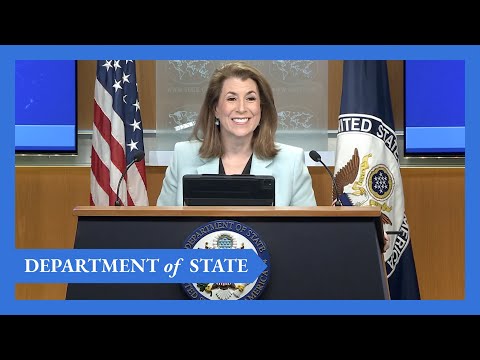
The U.S. Department of State and the U.S. Agency for International Development have notified Congress of a plan to realign certain USAID functions to the State Department by July 1, 2025, a State Department spokesperson said during a press gaggle.
The spokesperson said the reorganization will discontinue remaining USAID functions that “do not align with the administration priorities” but stressed that “we are continuing essential life‑saving programs and making strategic investments.” The spokesperson added that the department is "ready" to mobilize Disaster Assistance Response Teams (DARTs) if formal requests for assistance come in from affected countries.
The announcement follows a review of foreign assistance directed by the secretary of state and implementation of an executive‑level foreign assistance review the spokesperson identified by number. The spokesperson said one USAID award supporting the Ukraine Conflict Observatory was paused on Jan. 25 and then terminated on Feb. 26 as part of the agency's closeout procedures; limited funding was provided to complete transfer of data to appropriate authorities during the closeout.
Reporters asked whether the reorganization will ground DART operations or delay shipments of humanitarian supplies. The spokesperson answered that the DART system has not been impeded and that the department is “ready” to respond when formal requests are received, but would not give a specific timeline for deployments.
Journalists also asked about the effect on USAID Foreign Service officers after a reduction‑in‑force notice went to many officers overseas. The spokesperson said restructuring will cause “disruption” and that separations for some foreign service officers may be effective July 1, but declined to provide a firm count and said separated employees may be able to apply for some newly open positions. The spokesperson said the department is committed to personnel safety and to keeping ongoing life‑saving aid programs operational during the transition.
The spokesperson declined to provide an overall cost estimate for repatriating personnel and families, saying staffing and financial details are fluid and will be disclosed as available. On questions about locally hired staff at overseas missions, the spokesperson said those situations vary by mission and could not be detailed on the spot.
Why it matters: The reorganization affects how U.S. foreign assistance is delivered and who administers humanitarian programs overseas. Journalists pressed officials about immediate impacts on humanitarian partners and programs in Gaza and elsewhere; the spokesperson said those funding and operational decisions will follow the ongoing transition process and that the department will provide more information as it becomes available.
What remains unresolved: The spokesperson repeatedly described personnel numbers, costs and some mission‑level staffing outcomes as “dynamic” or “not specified.” Reporters asked whether USAID partners in Gaza will receive uninterrupted funding during the transfer; the spokesperson said they could not yet provide a specific plan and referred some questions to USAID and the White House for further details.